Sorority Life
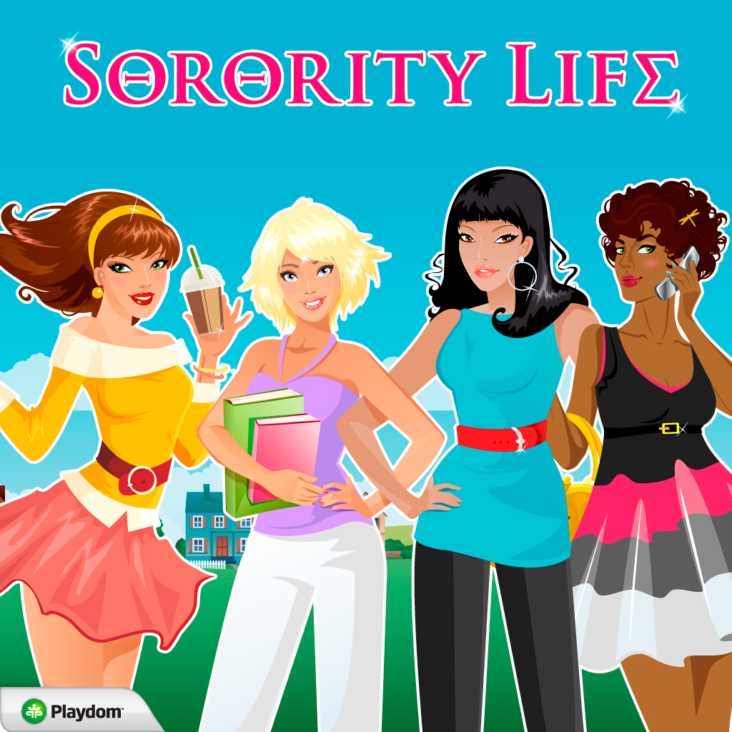
A full visual redesign for one of Playdom's most successful social games.
Sorority Life was an HTML-based social RPG on Facebook — one of the most successful games in Playdom's portfolio at the time. The premise was built on the same game model as Playdom's male-targeted title Mobsters, but entirely re-themed around a sorority setting. Instead of running a gang, players led a sorority. Instead of going on missions, they socialized. Instead of tracking health, they tracked confidence. And instead of buying weapons, they built their wardrobe — each outfit boosting their stats and powering progression.
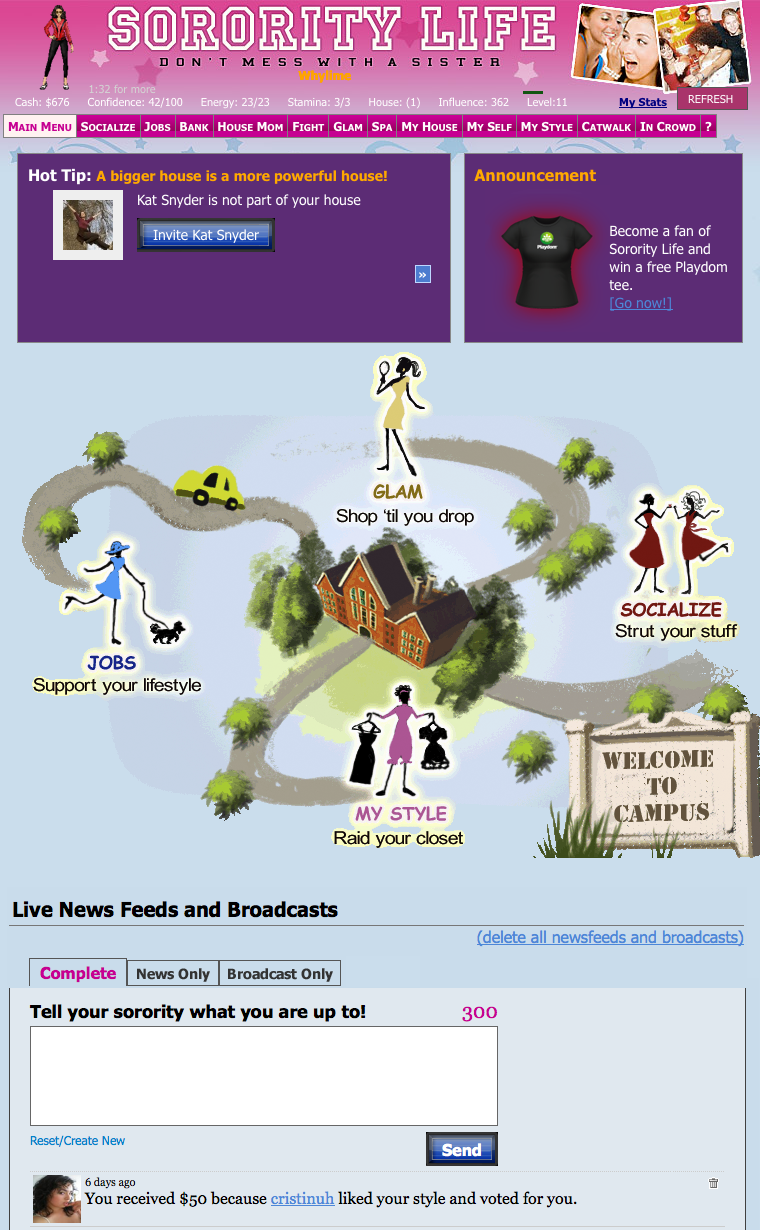
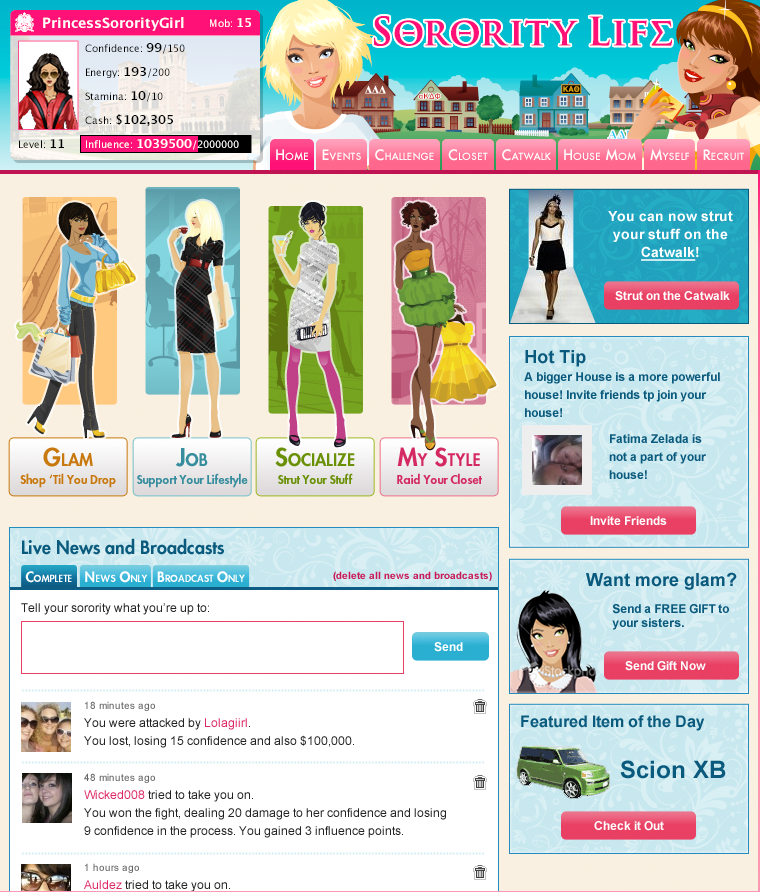
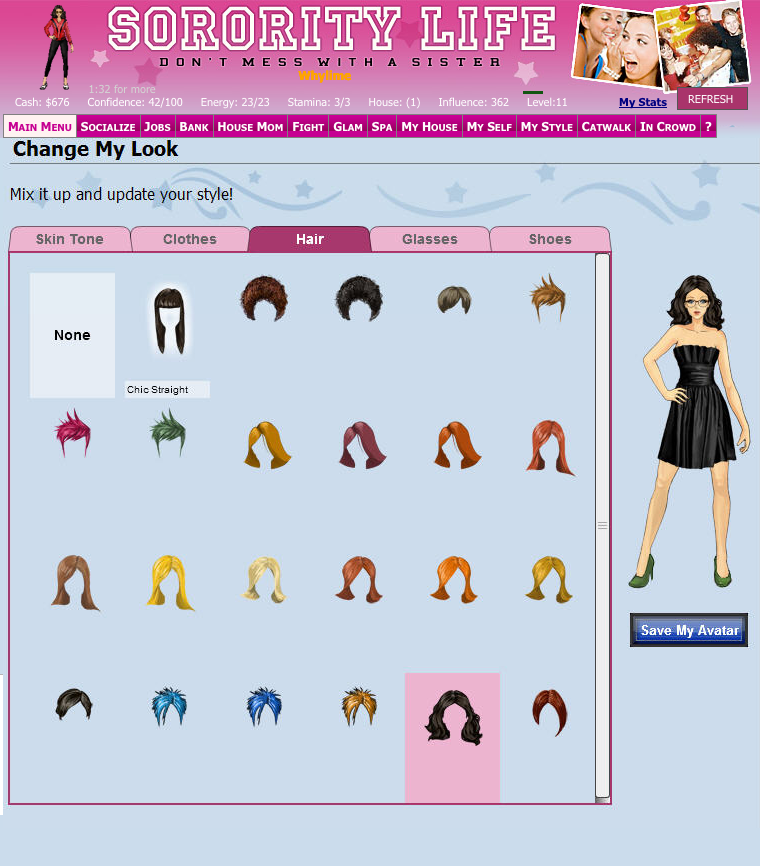
This was my first game at Playdom, and I was brought in specifically to overhaul the look and feel. The existing design was a functional but visually dated table-based layout carried over from the MySpace version of the game. With the Facebook port came an opportunity — and an expectation — to bring the design up to par with the fashion and sorority theme that the game's mechanics had already committed to.
The game was succeeding despite its design, not because of it.
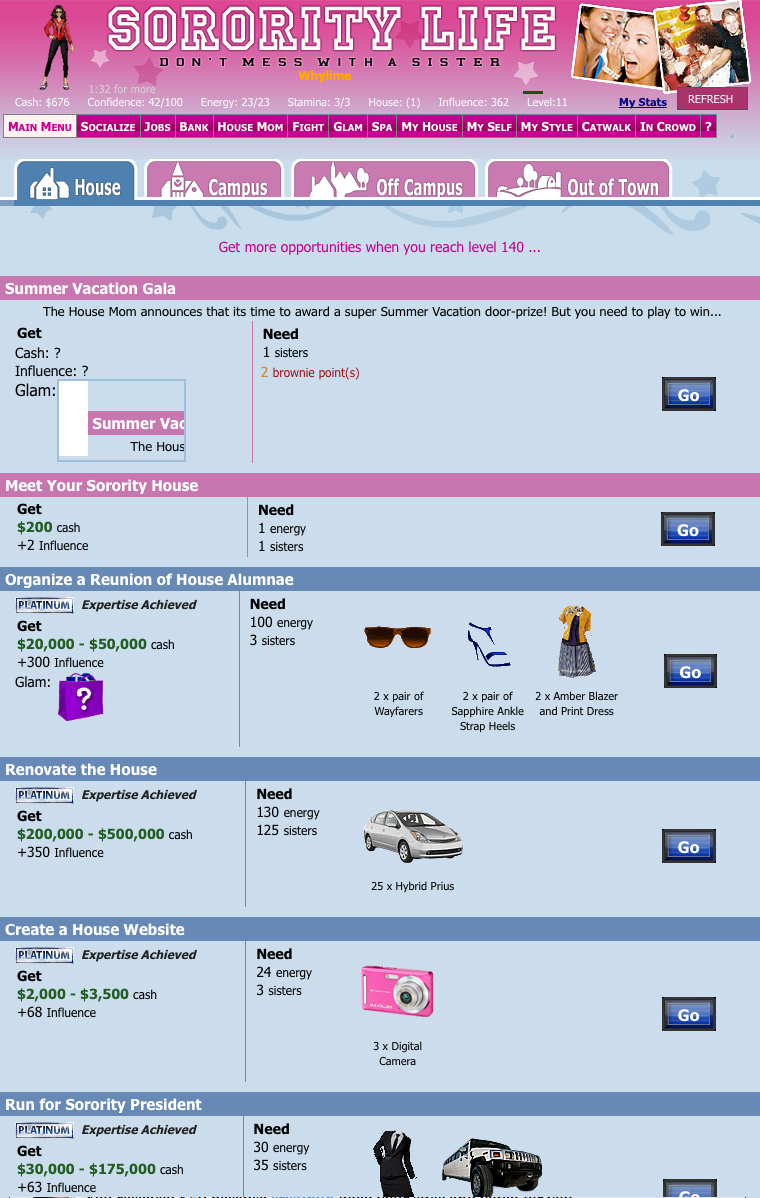
Sorority Life had built a loyal player base on MySpace, but the interface reflected where it came from: table-based HTML layouts, heavy text, and no real visual hierarchy. Nothing about the look and feel communicated the fashion-forward sorority theme that was central to the game's identity. Players who came in expecting a glam experience were greeted with something that looked more like a spreadsheet.
The challenge wasn't to reinvent the game — the core mechanics were working. It was to build a visual language that matched what the game was actually about: style, competition, and aspiration. The Facebook audience expected more, and the leap from MySpace was the right moment to deliver it.
What we were starting from.
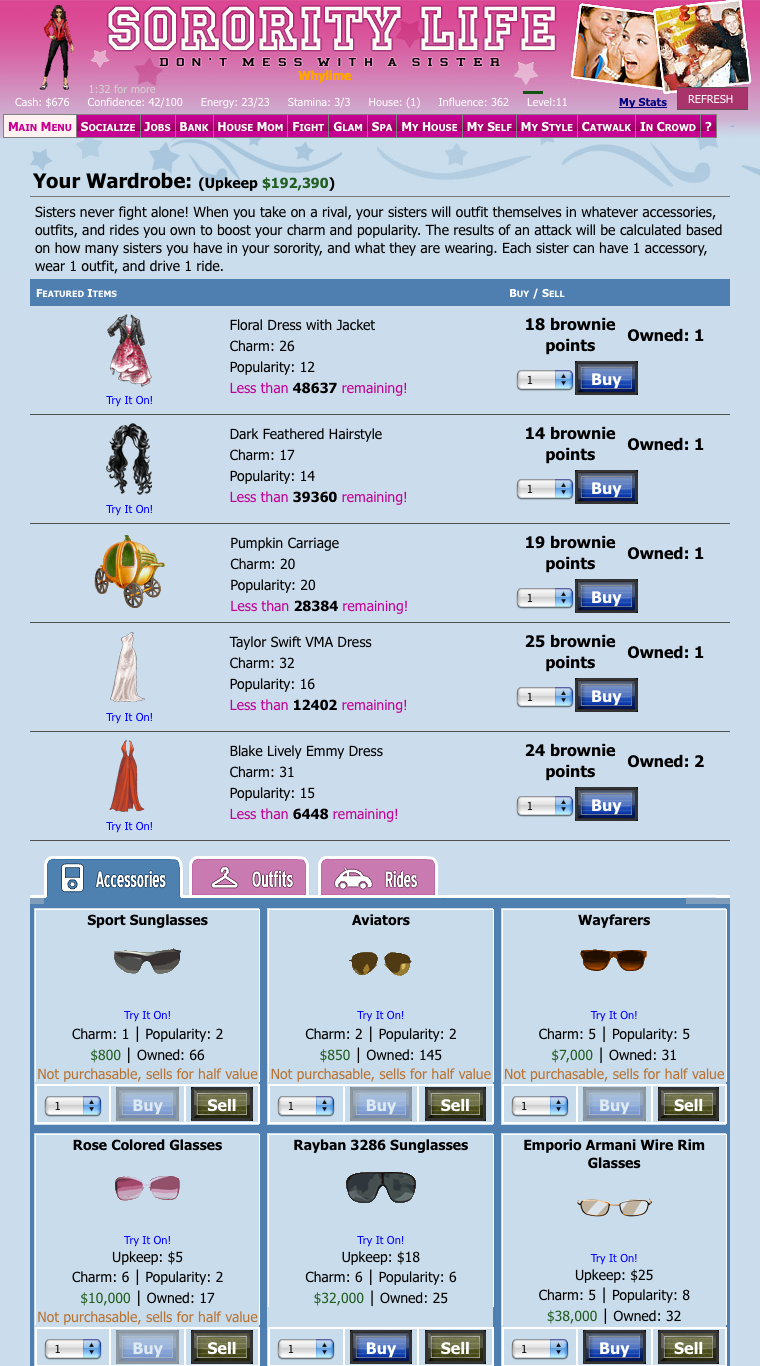
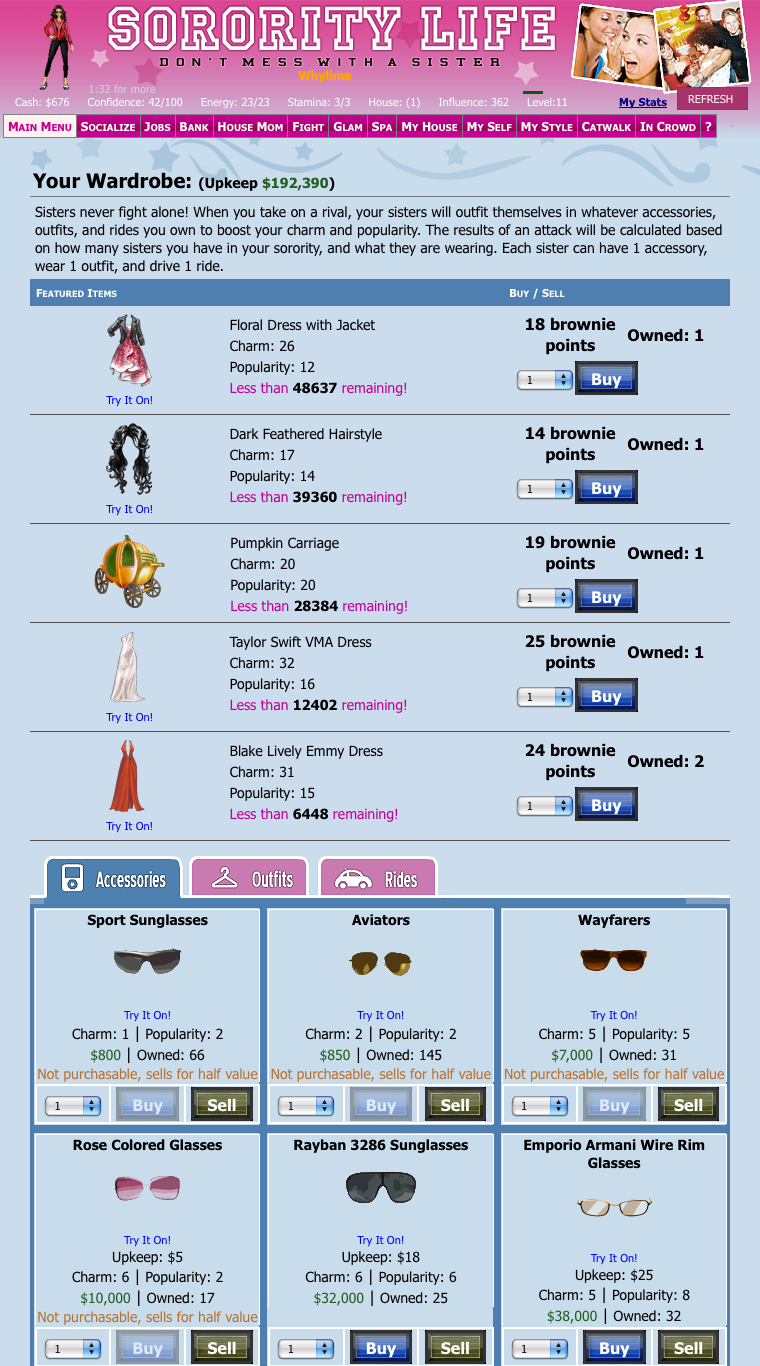
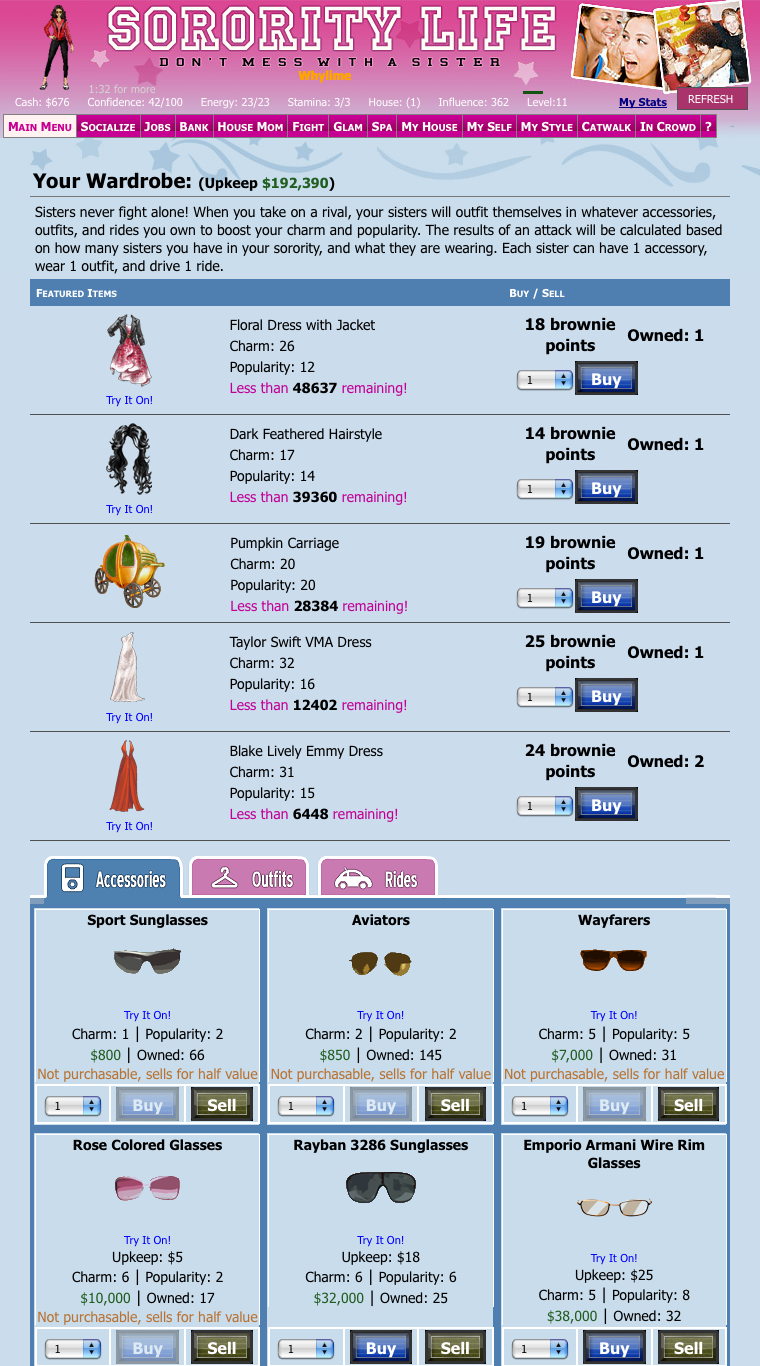
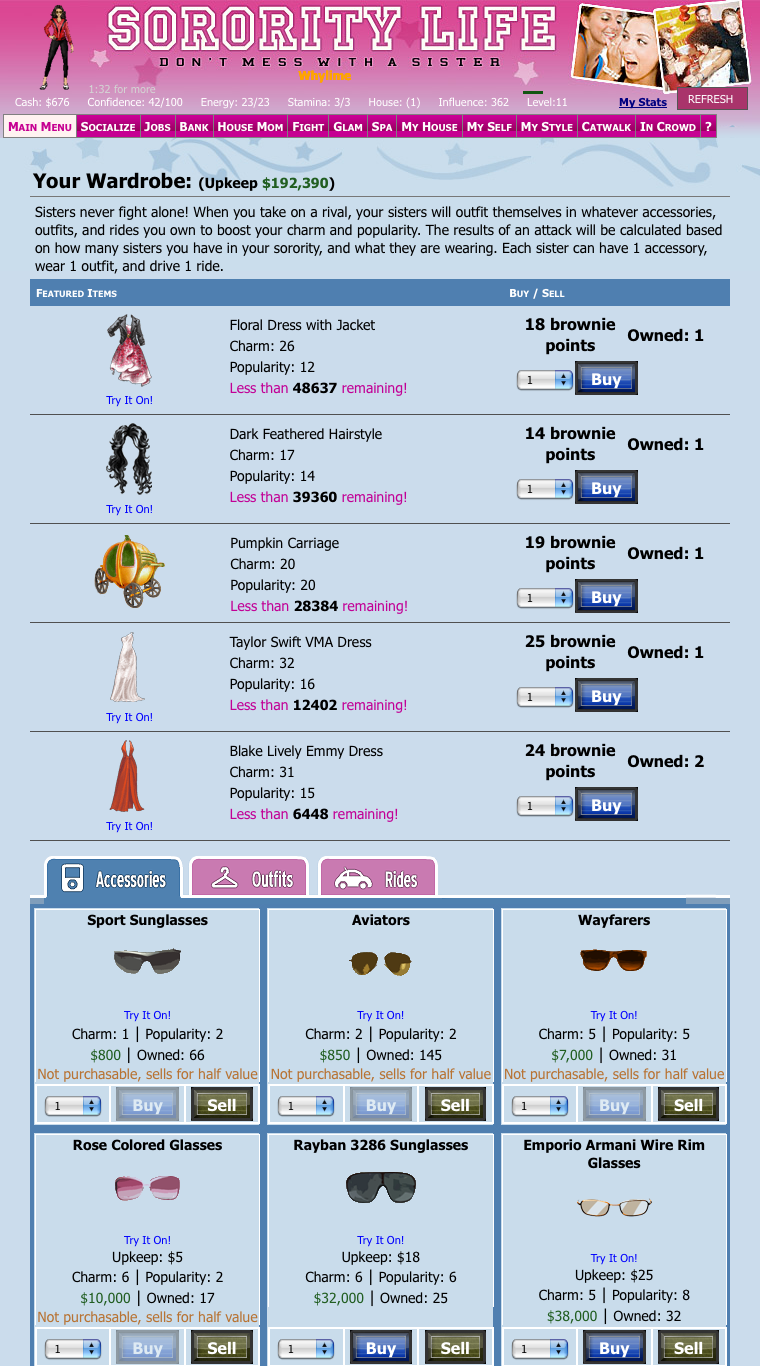
The original design was built for function, not for theme. It was text-heavy, had no clear visual hierarchy, and relied on an endless scroll layout that made it hard for players to orient themselves in the game. There was nothing in the UI that reflected sorority life, fashion, or the social competition at the heart of the experience.
Surfacing what the game was really about.
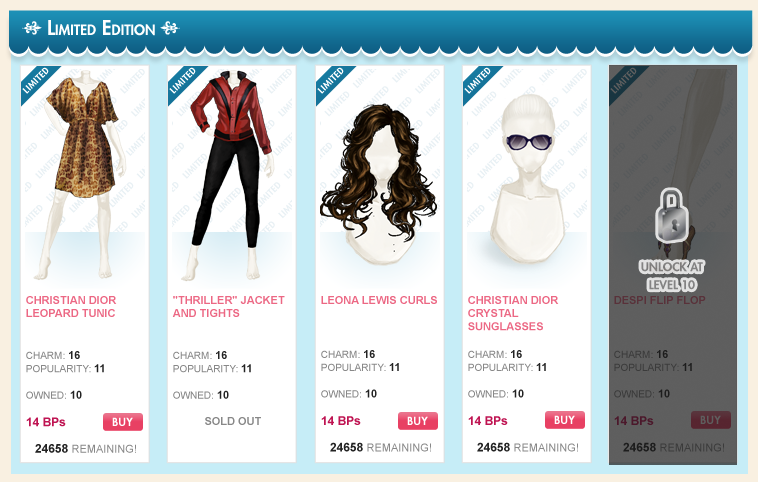
One of the early design problems was how to surface featured items — the clothes and accessories that drove player progression. In the original design, these were buried in list format with no visual emphasis. We explored layouts that gave items real prominence, treating them more like a fashion editorial than an inventory table.
From a list of items to a fashion boutique.
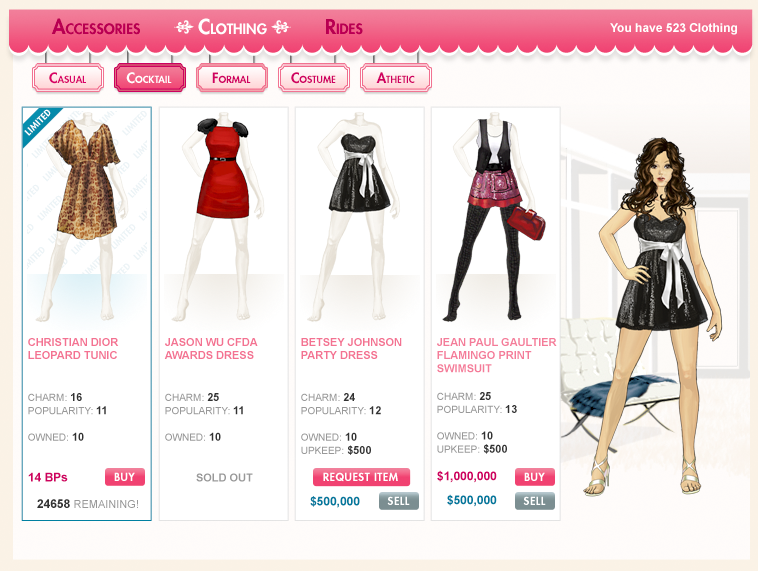
The shop was one of the most visited areas of the game — it was where players spent their in-game currency on clothes to boost their stats. The original design treated it like a product catalog: rows of items, text labels, prices. Nothing about it felt like shopping.
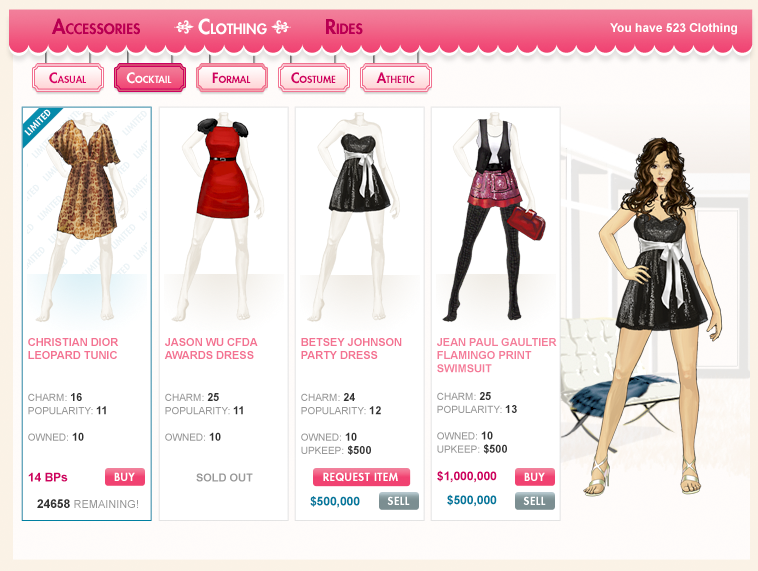
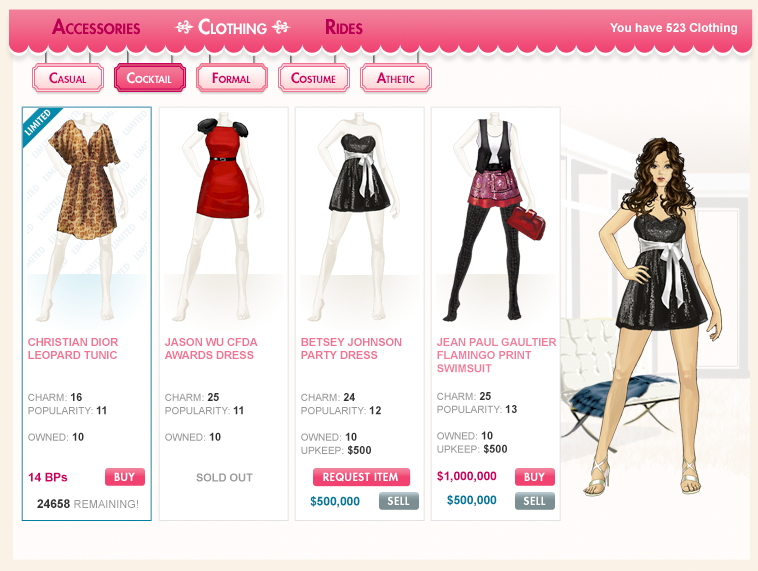
I redesigned the shop to feel like a boutique. Items are displayed on mannequins, so players could see how pieces looked before buying. The visual layout drew from real retail design conventions — featured items at eye level, organized by category, with a clear and inviting visual hierarchy. It turned a transactional screen into something that felt like a destination.
Your closet, as a walk-in closet.
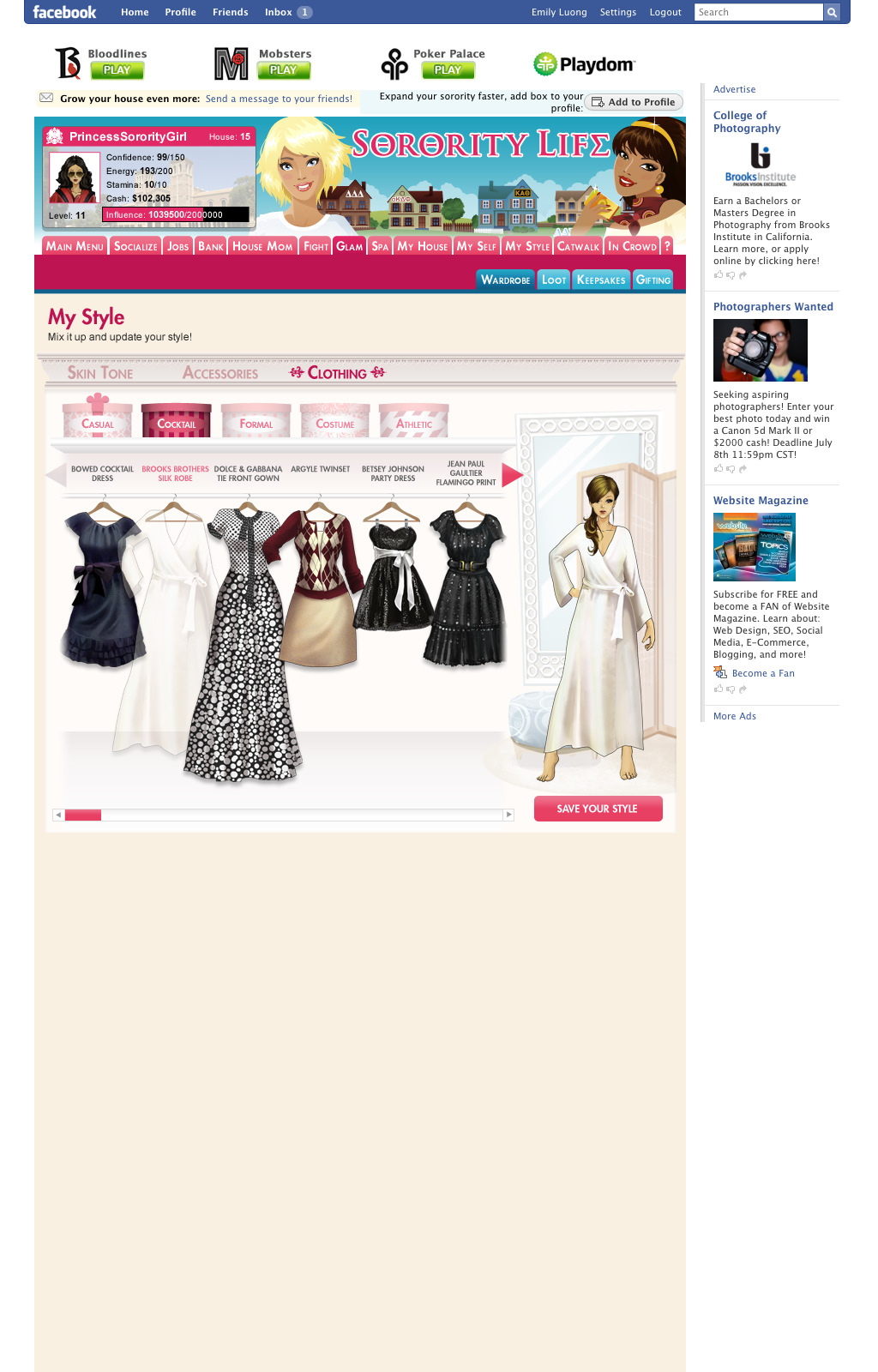
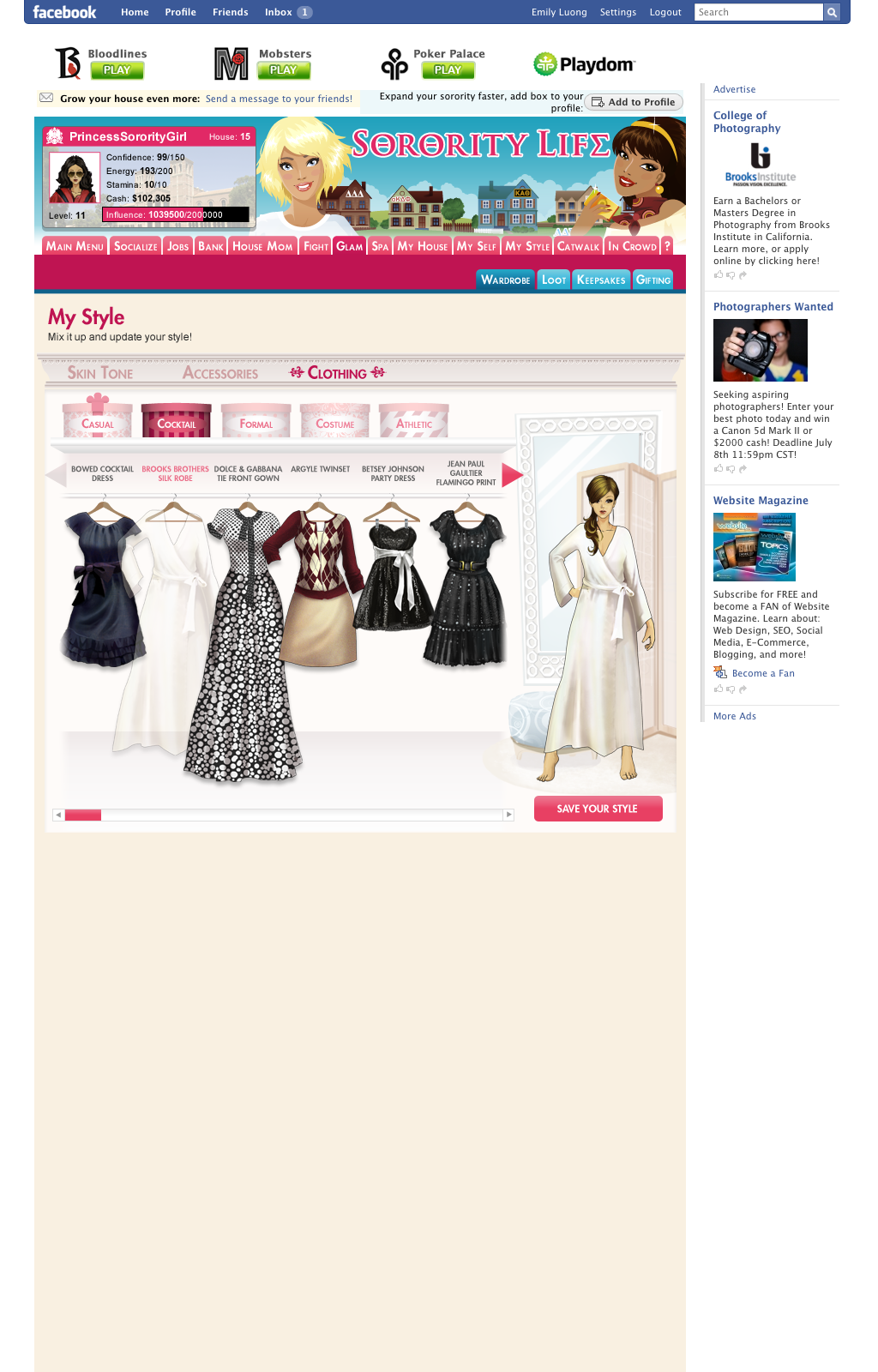
The inventory screen — where players managed the wardrobe items they'd collected — had the same problem as the shop: it was a flat list with no personality. There was a clear opportunity to make it feel like part of the world.
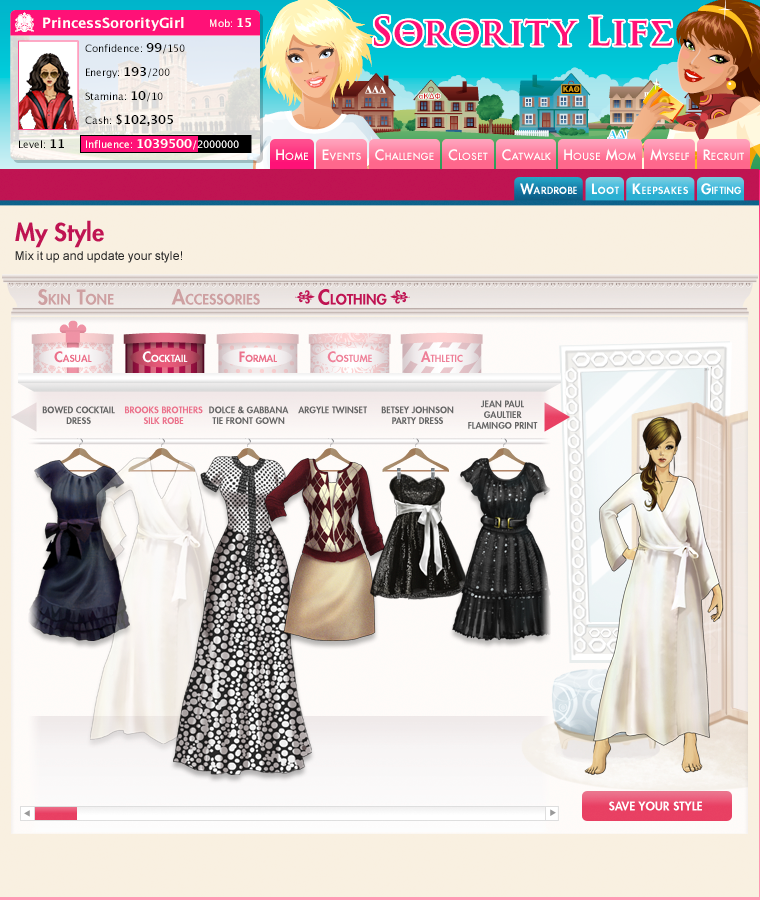
I redesigned it to look like the interior of a walk-in closet, complete with hangers, shelves, and a wardrobe aesthetic that made browsing your collection feel like getting dressed. It turned a utility screen into something that reinforced the game's identity at every interaction.
Before and after — across the whole game.
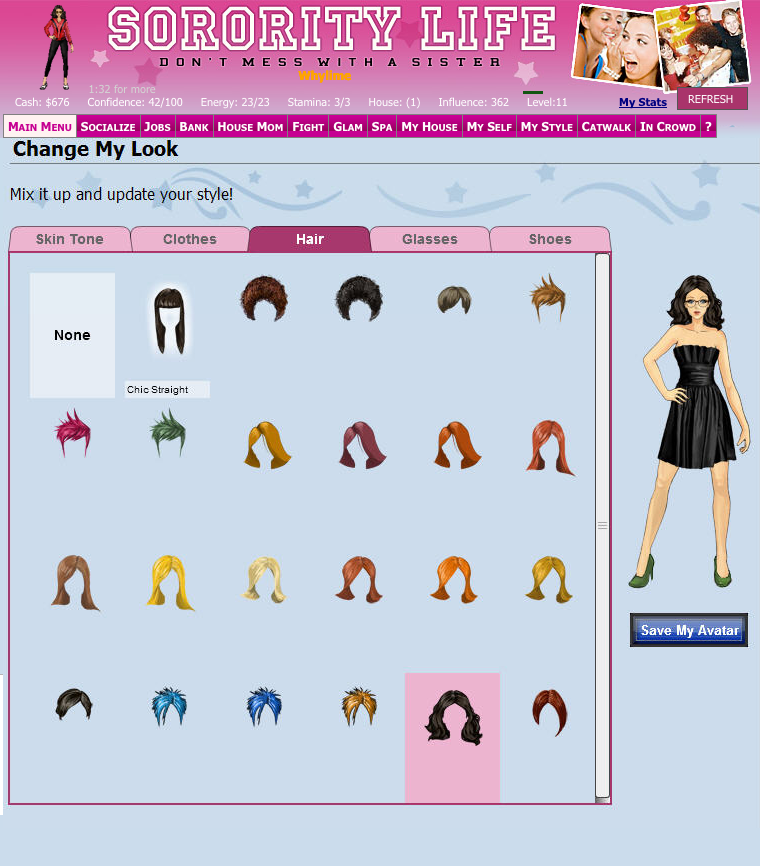
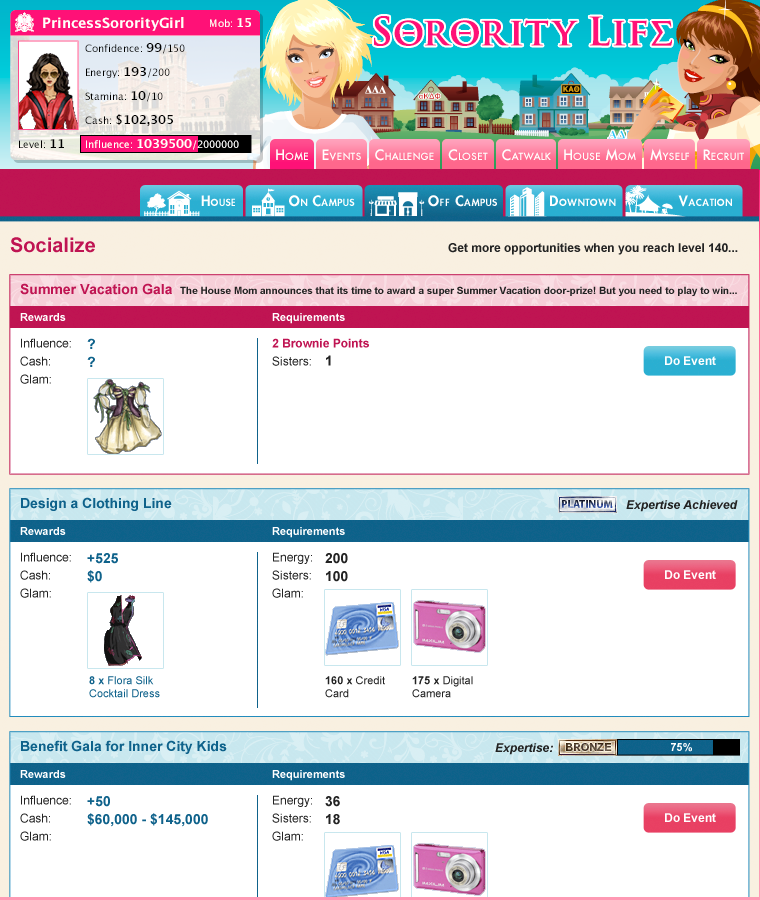
The shop and closet were the biggest visual storytelling opportunities, but the redesign touched the entire game interface — the home screen, the socializing/quests view, and the avatar editor. Each screen got the same treatment: cleaner layout, stronger visual hierarchy, and a design language rooted in the fashion and sorority theme.
Sorority Life was where I learned that a game's visual design is part of the experience — not just a skin on top of it. The mechanics were already solid; it was the design that was holding the experience back. Getting to build the visual language from the ground up, and seeing it resonate with the players who were already there, was a formative project for me early in my career.