GSN Sparcade
Competitive games that pay — designed from the ground up.
Sparcade is a mobile gaming platform where players compete in skill-based versions of classic games to win virtual currency or real money. As players complete matches they earn experience points and achievements, feeding into a deeper meta-game progression system.
I joined the Skill Games division at GSN Games during the planning and concept phase. I collaborated with Game Designers and Producers to spec out key features, explored multiple design directions, wireframed extensively, and built detailed interactive prototypes to communicate design intent to engineers. I also worked closely with the User Insights Team on user testing — planning, moderating, and documenting test results — and supported the Art Team on UI asset production and Unity implementation.
How do you ask for a lot of information without scaring off the user?
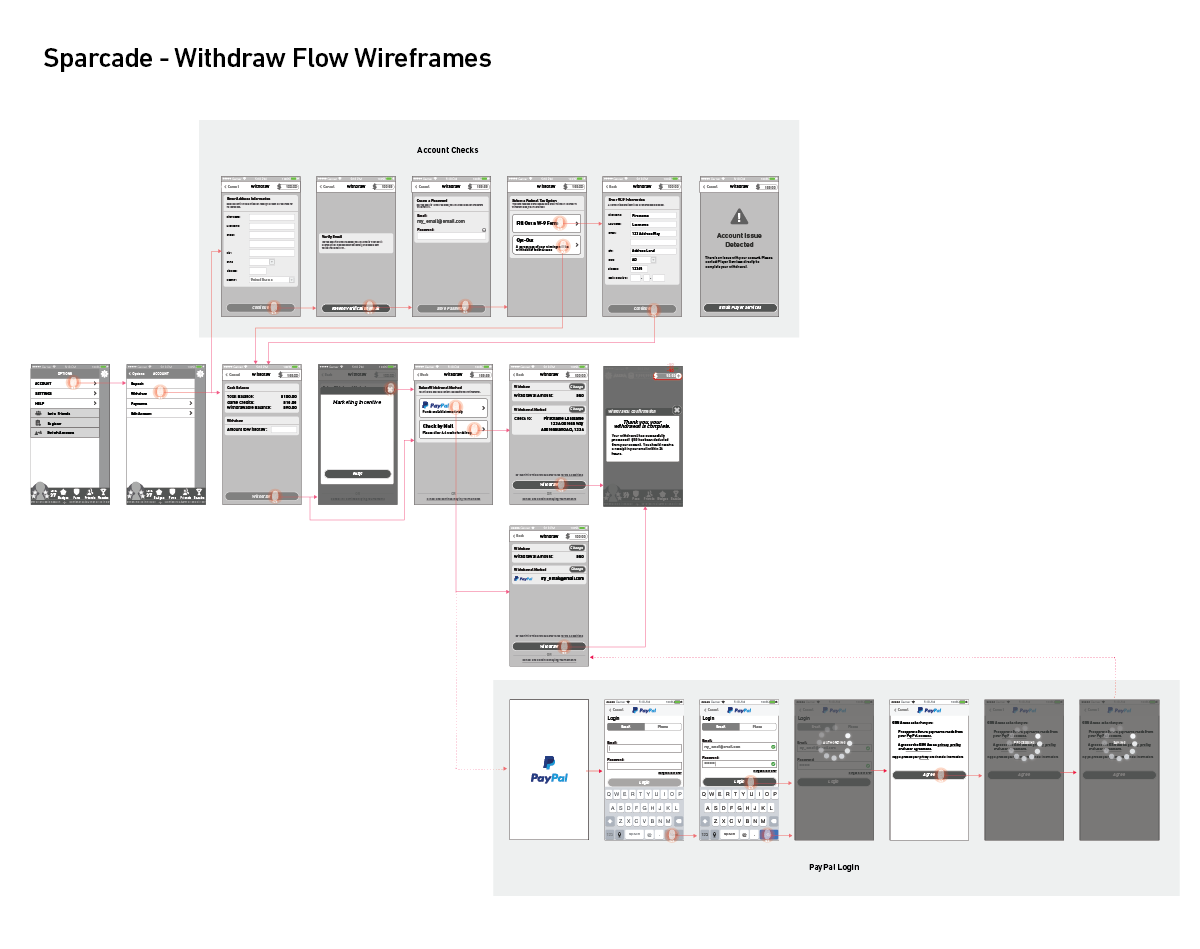
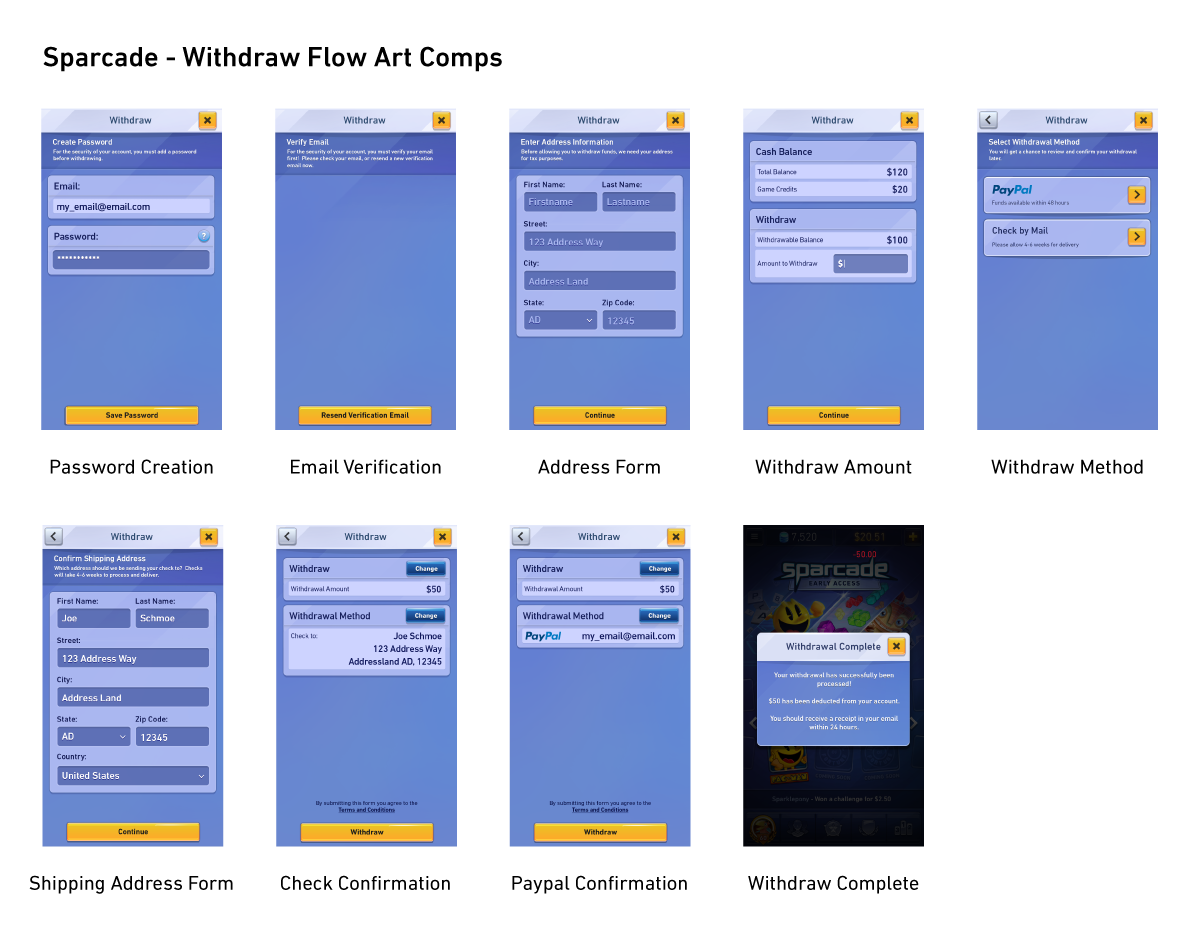
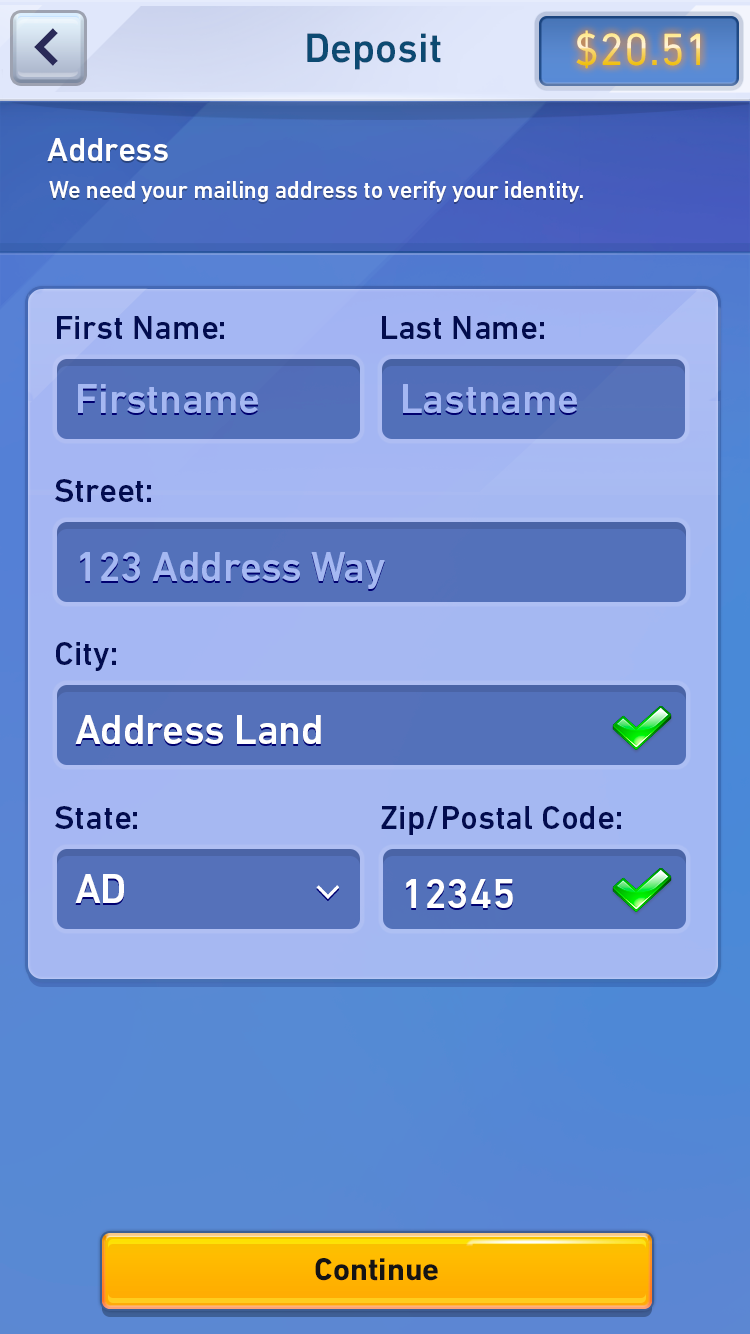
One of the most critical and complex flows in Sparcade was the deposit and withdrawal experience. Real-money gaming requires collecting sensitive user data: name, address, age verification, payment information. Extensive forms and multi-step flows create real friction — and in a gaming context where players want to get in and play, that friction can mean drop-off.
The challenge was designing a deposit and withdrawal flow that felt intuitive and even natural, without glossing over the information we legally needed to collect. Every step had to justify its existence.
Competitive analysis: how are other apps handling this?
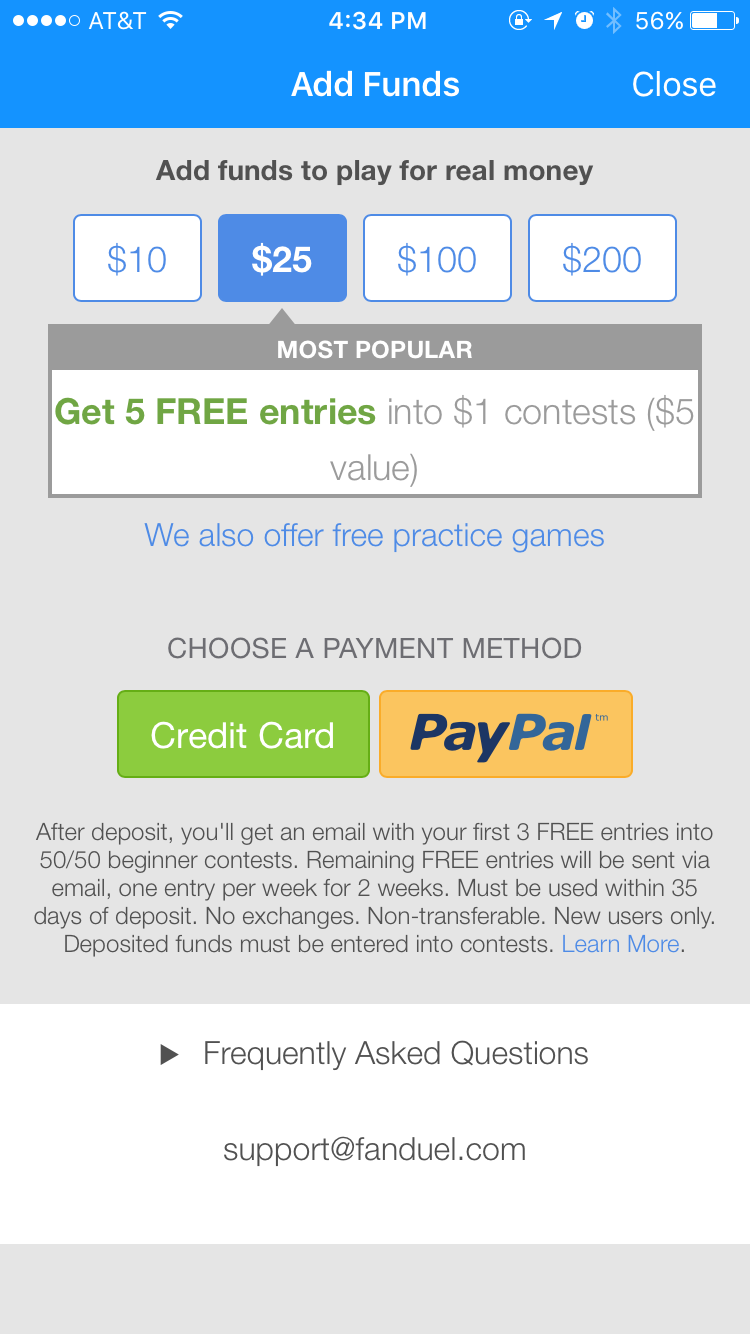
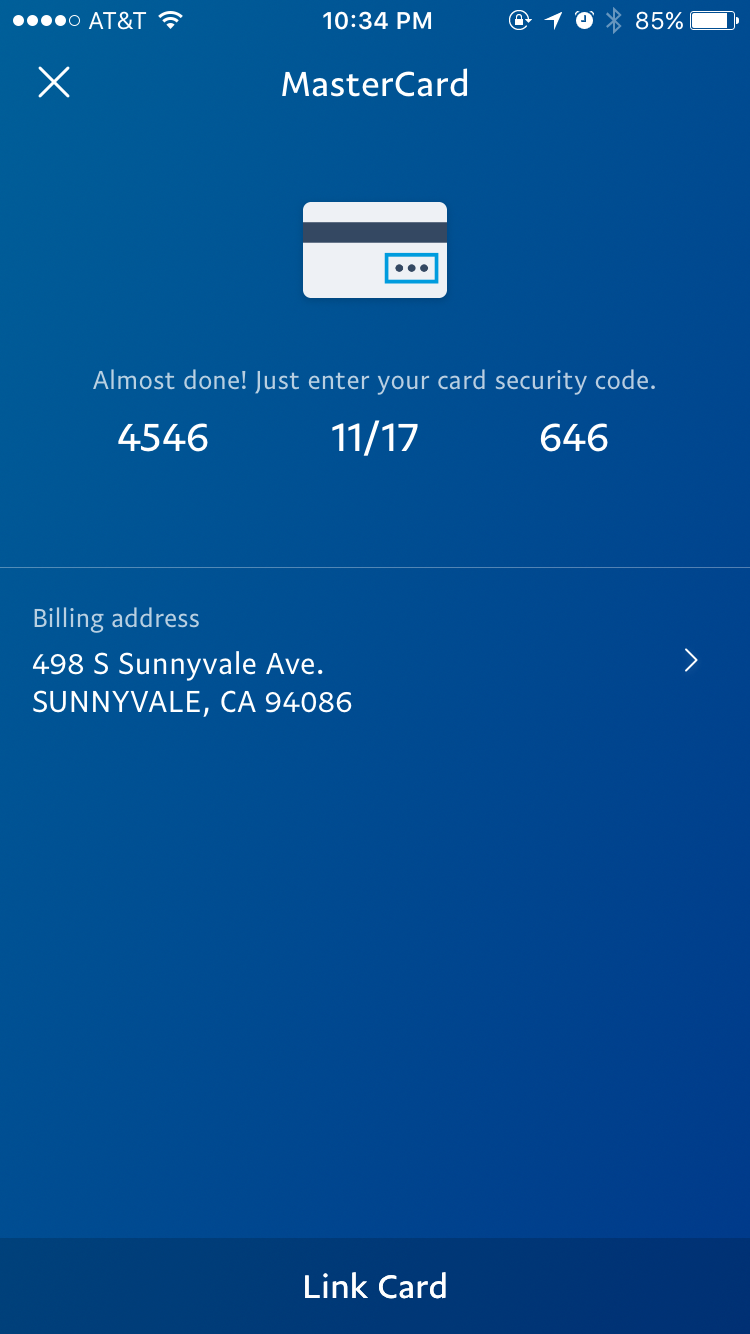
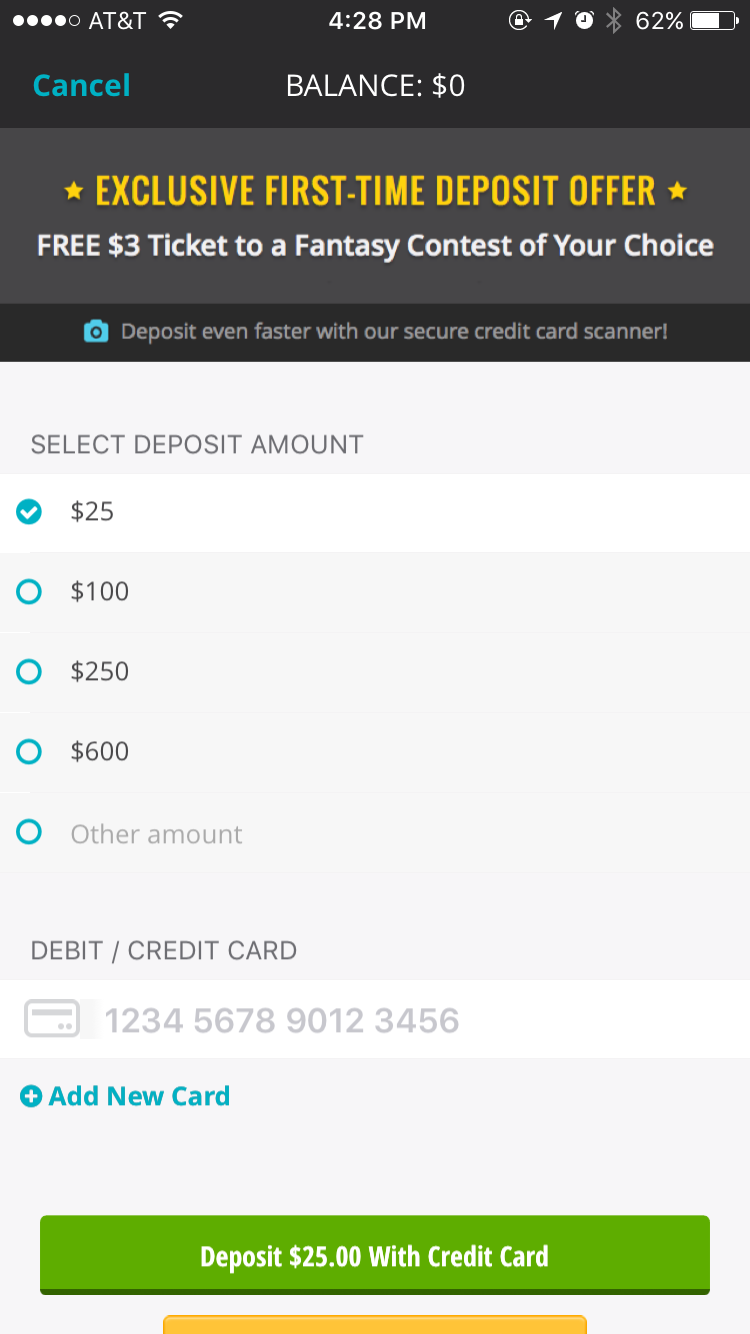
Before designing anything, I looked broadly at how other products handled high-information flows. I studied daily fantasy sports apps like DraftKings and FanDuel, which face similar real-money deposit requirements. I looked at e-commerce checkout flows from AirBnB, OpenTable, Gilt, Target, and StubHub — all of which have refined the art of progressive information gathering. And I reviewed payment apps like PayPal, Venmo, and Google Pay for patterns around account verification and payment method setup.
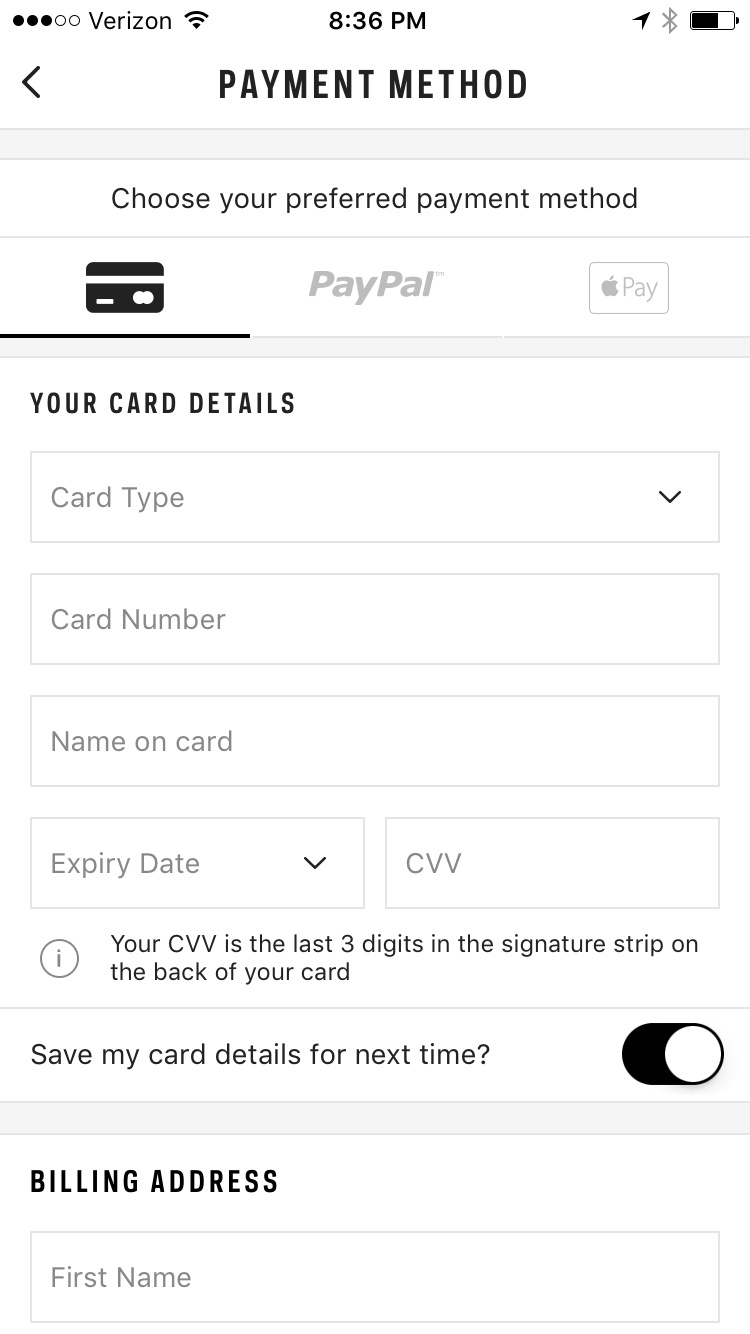
Mapping what we needed and when.
Working with Producers and Game Designers, I mapped out the key information requirements for the deposit and withdrawal flows. The questions weren't just "what do we need?" but "when do we ask for it?" — sequencing matters enormously when you're collecting sensitive data from a user who's motivated to get in and play.
Key decisions included when to ask for age verification (early, since underage users should be gated before any investment), when to request location permissions (later, after the user was already engaged — flagging this as disruptive in early testing), and how to structure payment method setup alongside the initial deposit amount.
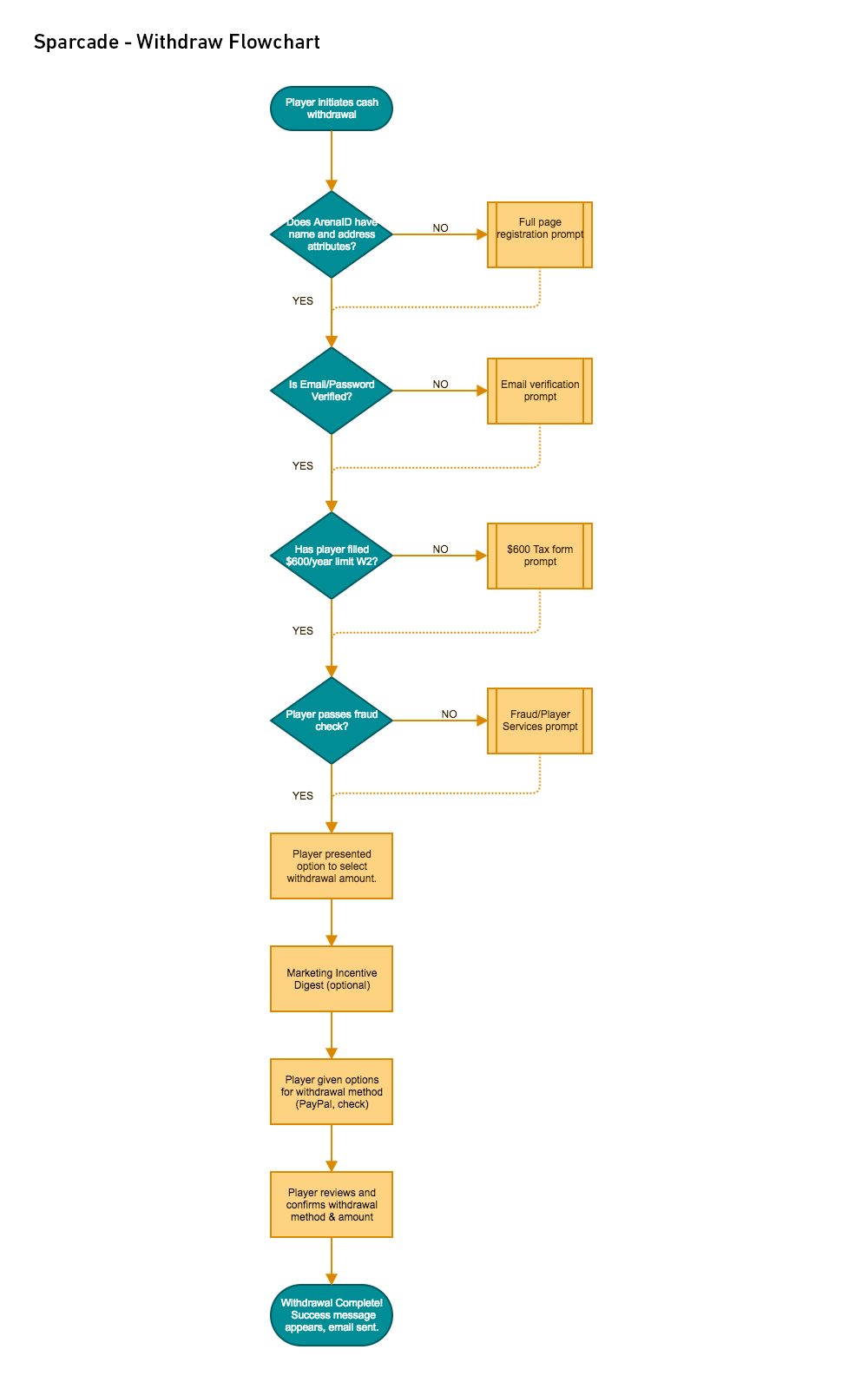
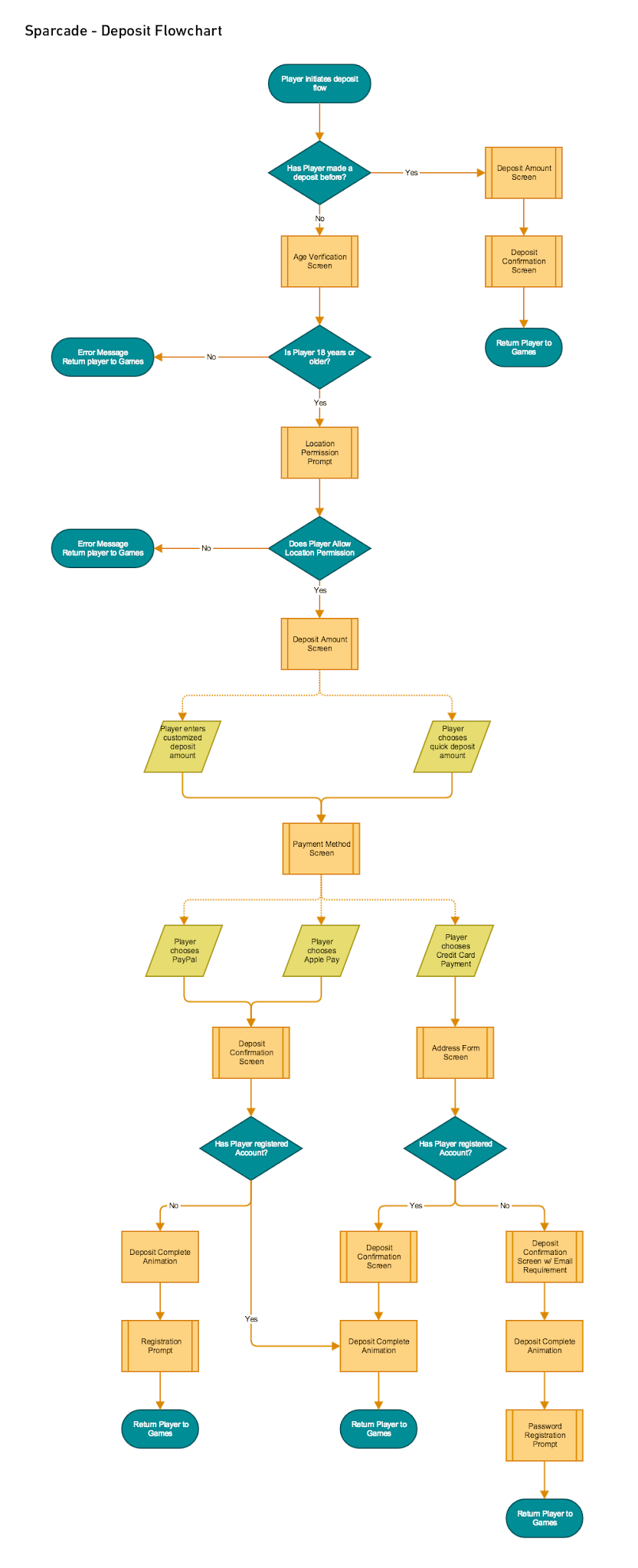
Exploring layouts before committing to any of them.
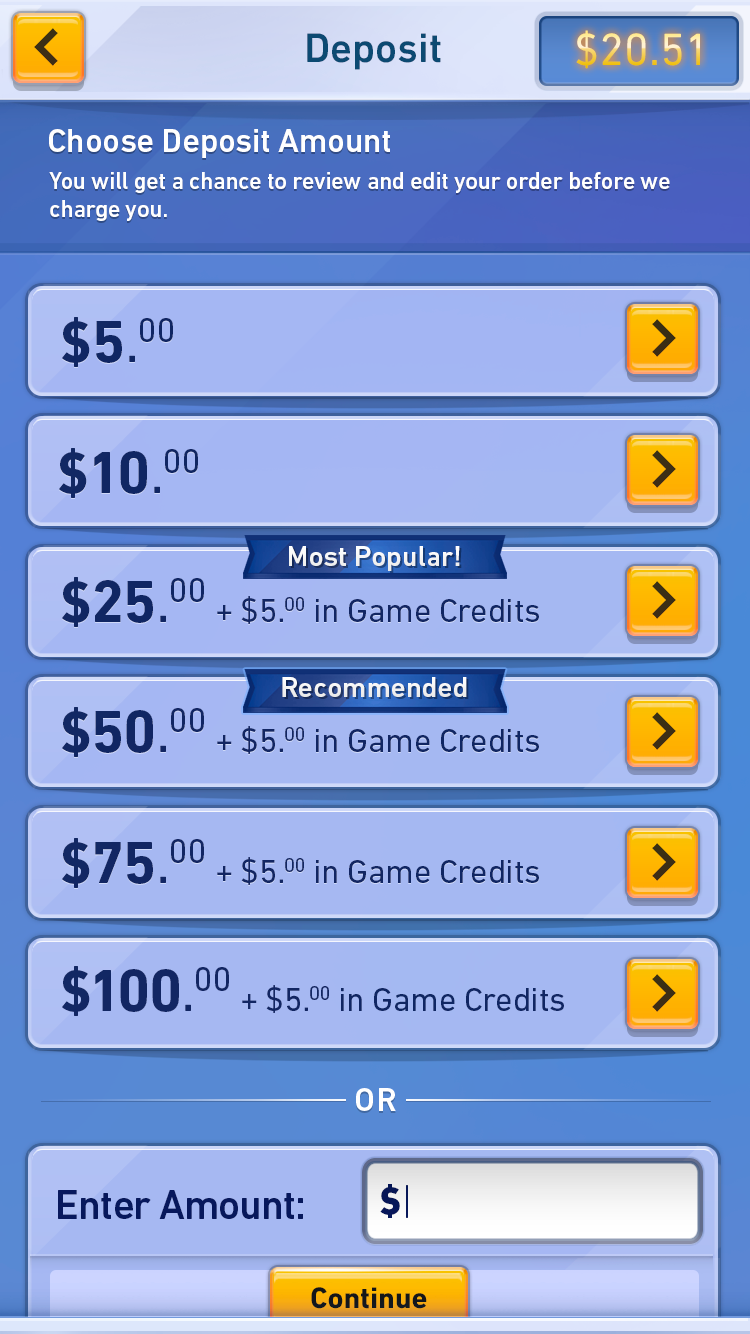
With the flows mapped, I explored different layout approaches for the deposit experience. Open questions included how to handle the custom amount input field, and whether to combine the deposit amount selection with the payment method selection in a single screen or split them. Both approaches have trade-offs around cognitive load vs. step count — I wireframed multiple directions to evaluate them.
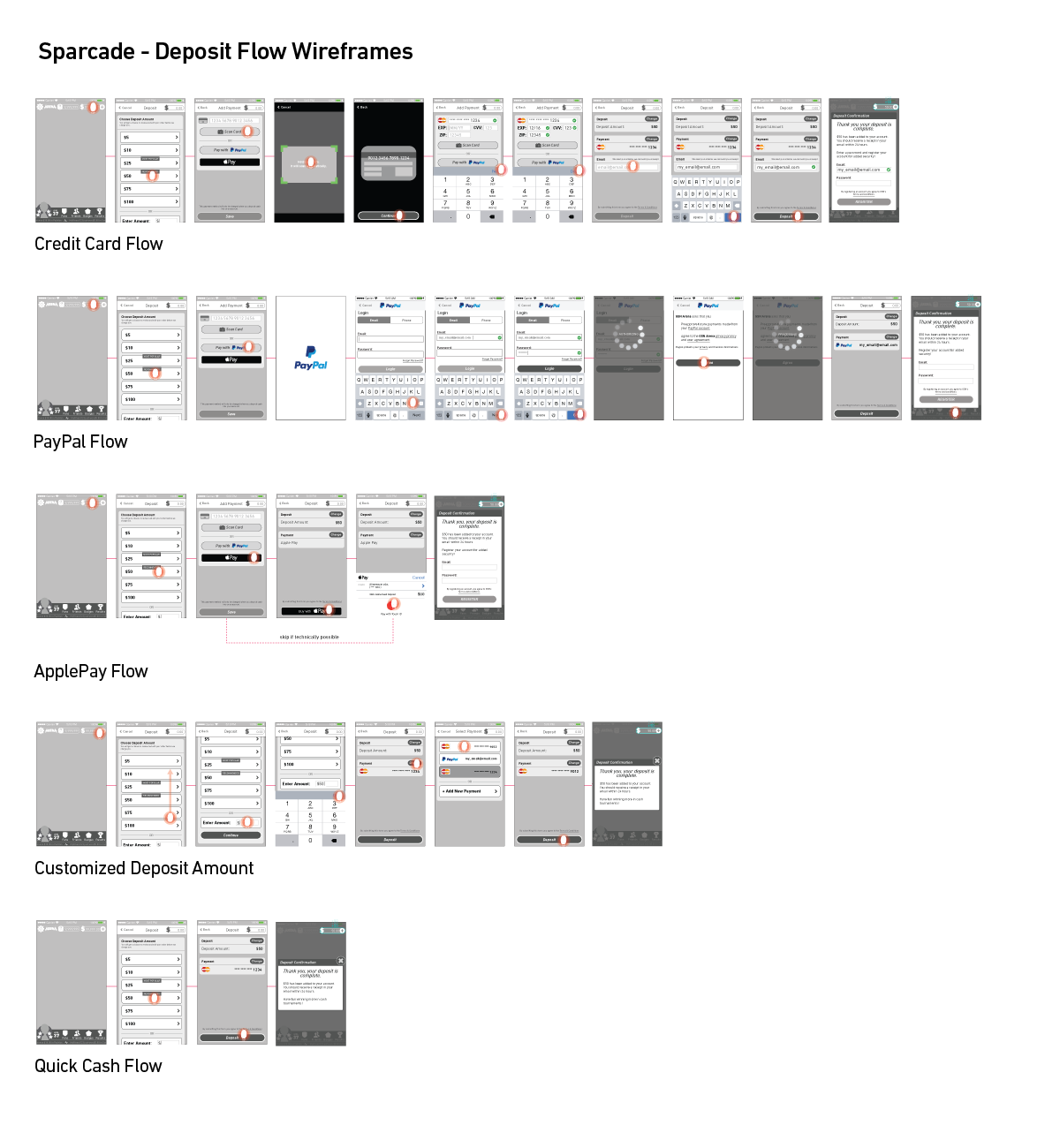



Prototypes as a communication tool, not just a design tool.
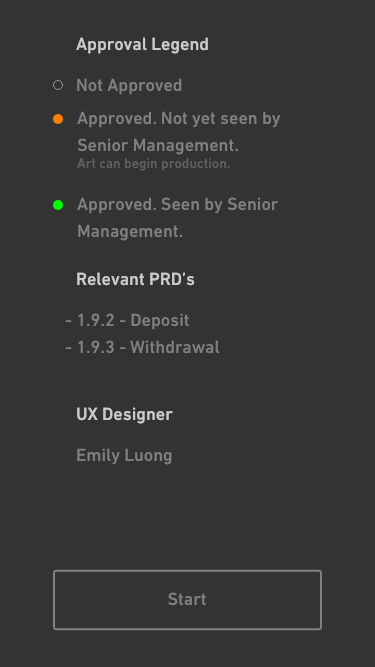
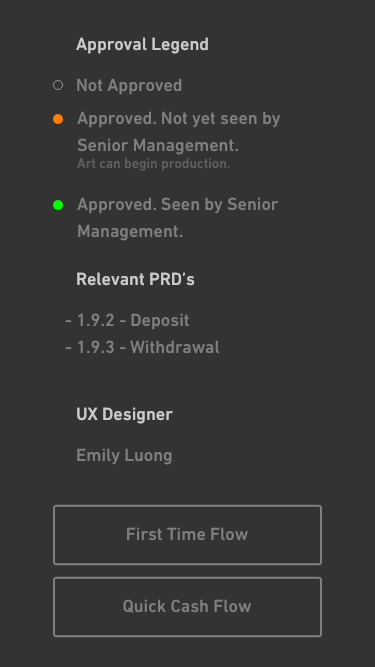
Interactive prototypes were central to how I worked on Sparcade — not just for evaluating design directions, but for communicating constraints and intent to the engineering team, some of whom were based overseas. A clickable prototype removed ambiguity about transitions, edge cases, and interaction behavior in ways that static specs couldn't fully capture.
From wireframes to production-ready designs.
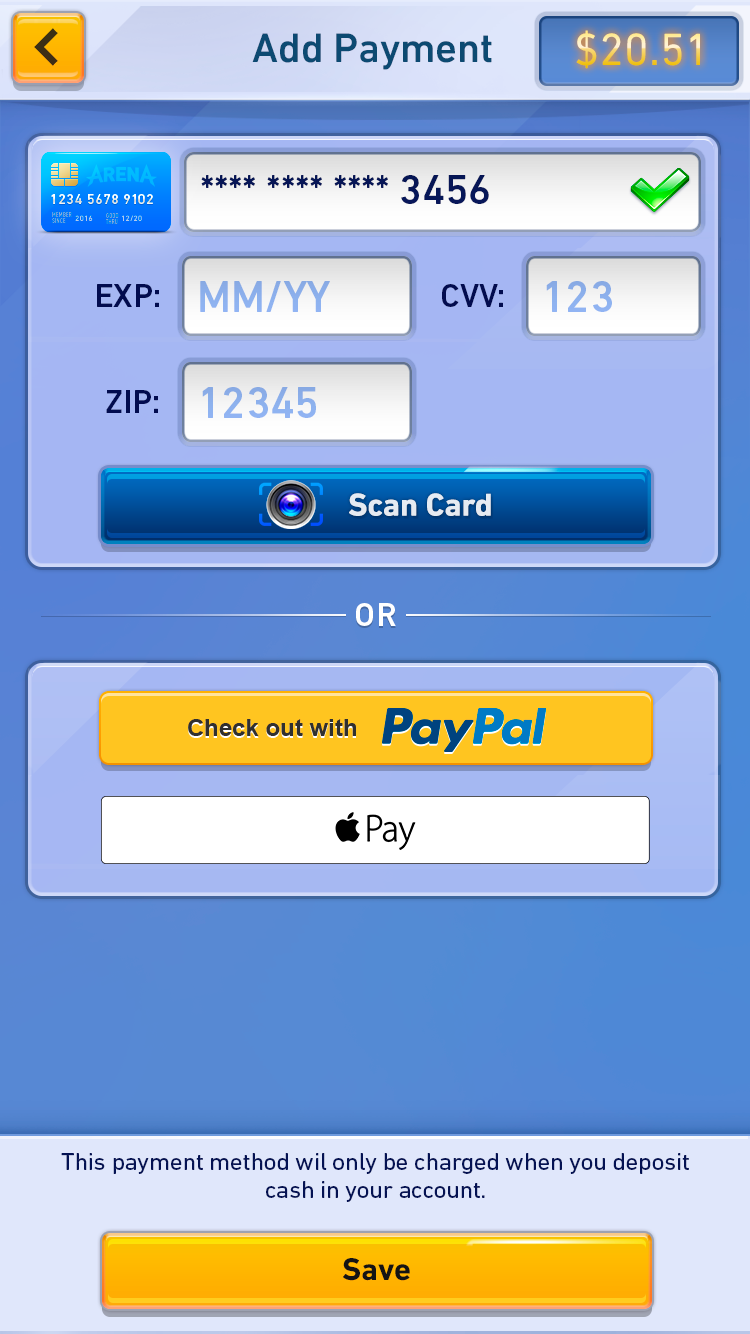
With the flows and layouts validated, I moved into high-fidelity mockups — final visual designs ready for engineering handoff, incorporating the full Sparcade visual identity.

Testing revealed the real friction — then gave us clear direction.
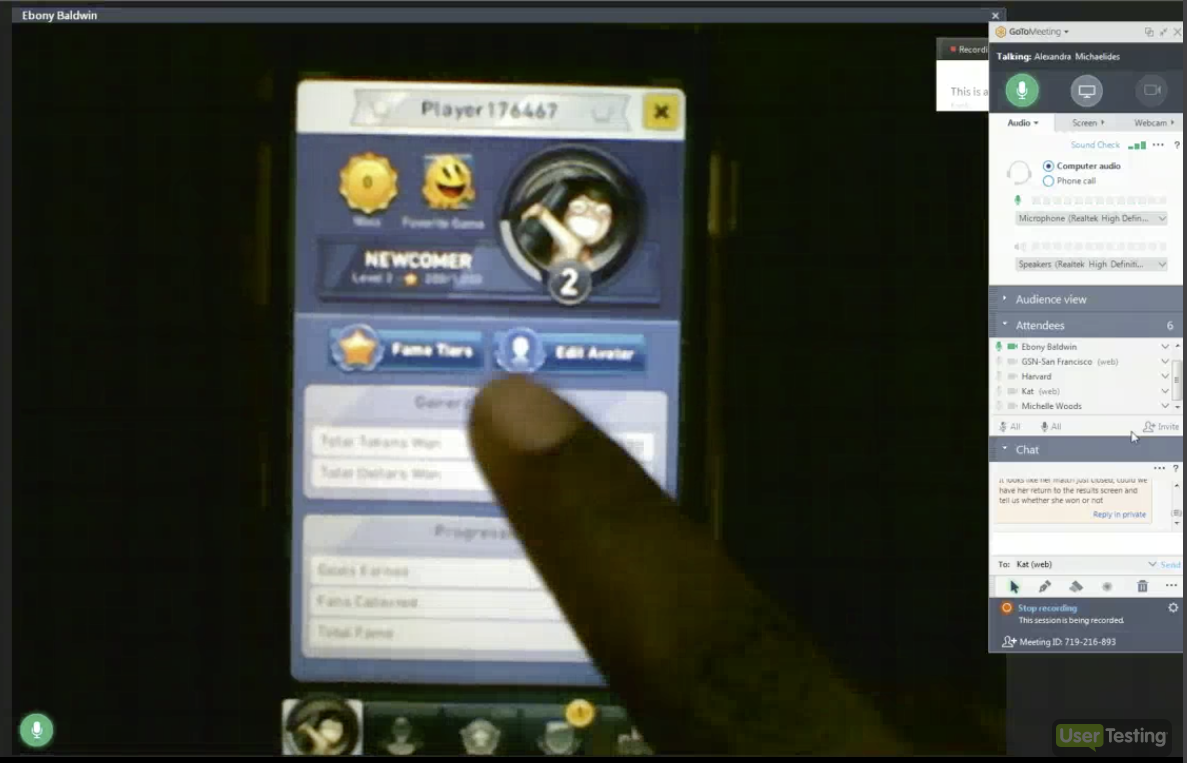
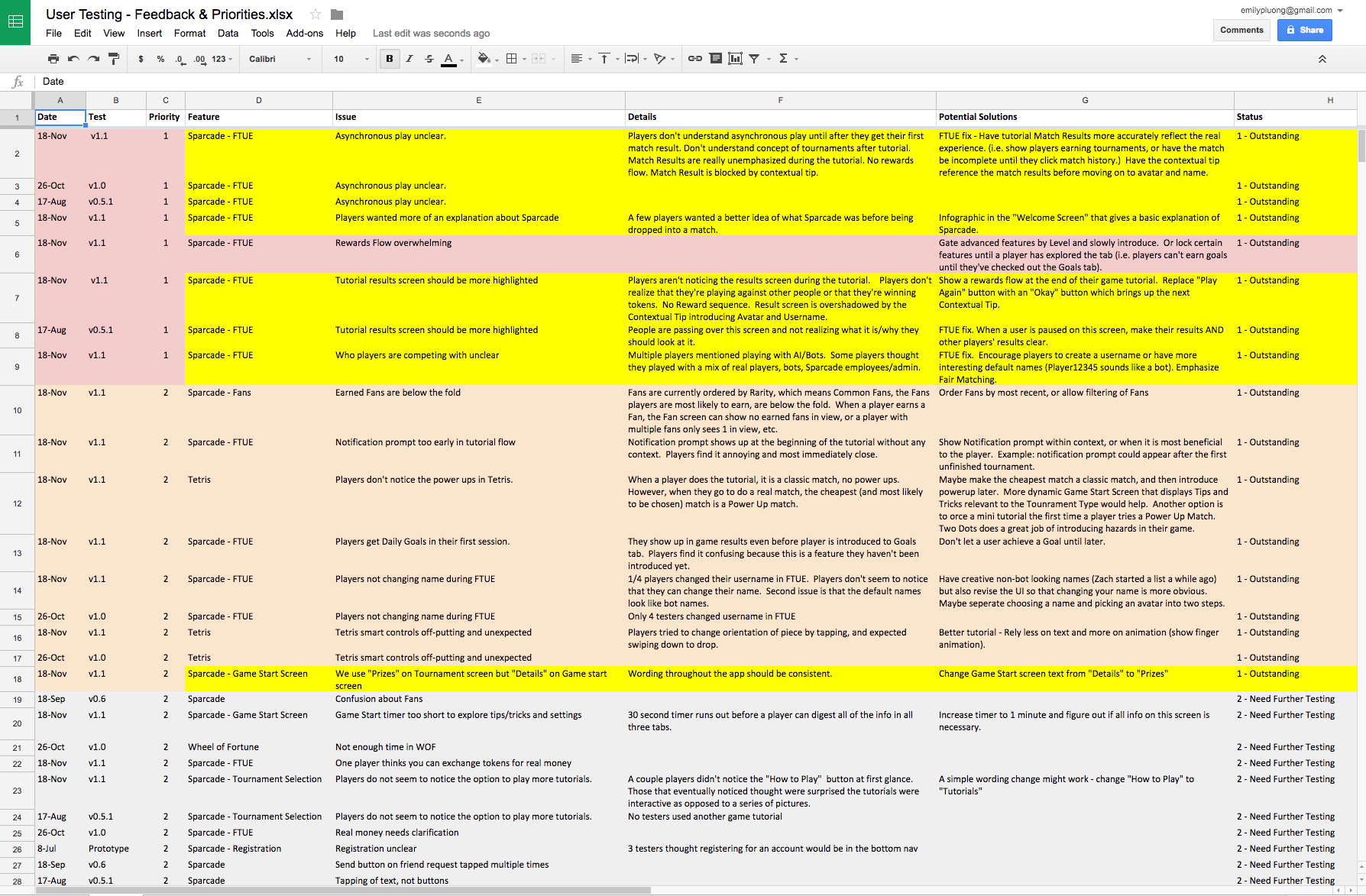
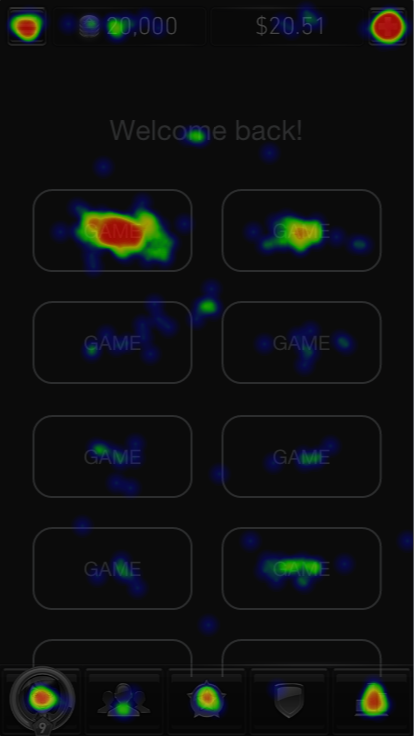
I worked closely with the User Insights Team to run multiple rounds of usability testing throughout the project — both moderated and unmoderated sessions through Usertesting.com, as well as click tests and surveys through UsabilityHub. I was involved in planning the tests, moderating sessions, and tracking and prioritizing the issues that came out of them.
Testing consistently surfaced issues that weren't visible in the designs themselves. Four findings stood out and led directly to significant redesigns:
- Location permissions felt intrusive — triggering the location permission prompt early in the deposit flow caught users off guard and created drop-off. We moved it later in the experience.
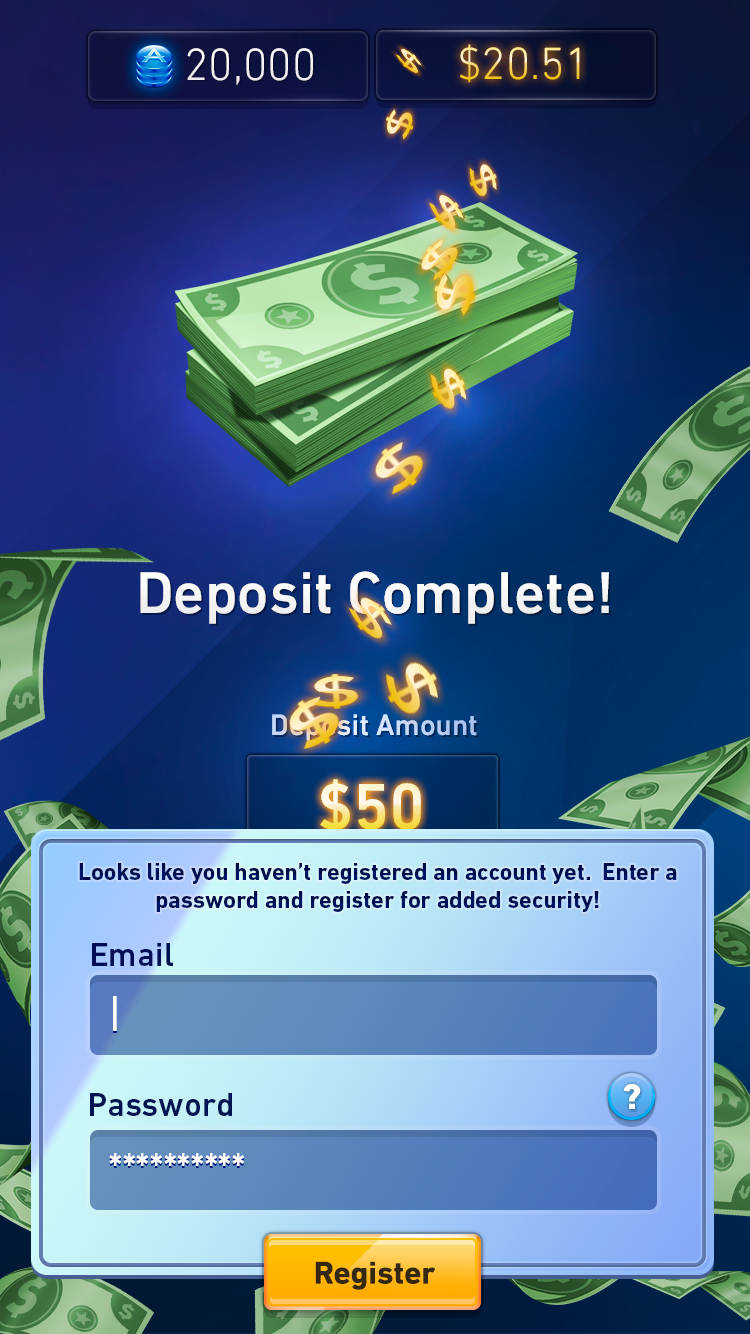
- Guest account confusion — users weren't clear on what a guest account could and couldn't do, leading to frustration when they hit limitations at the payment step.
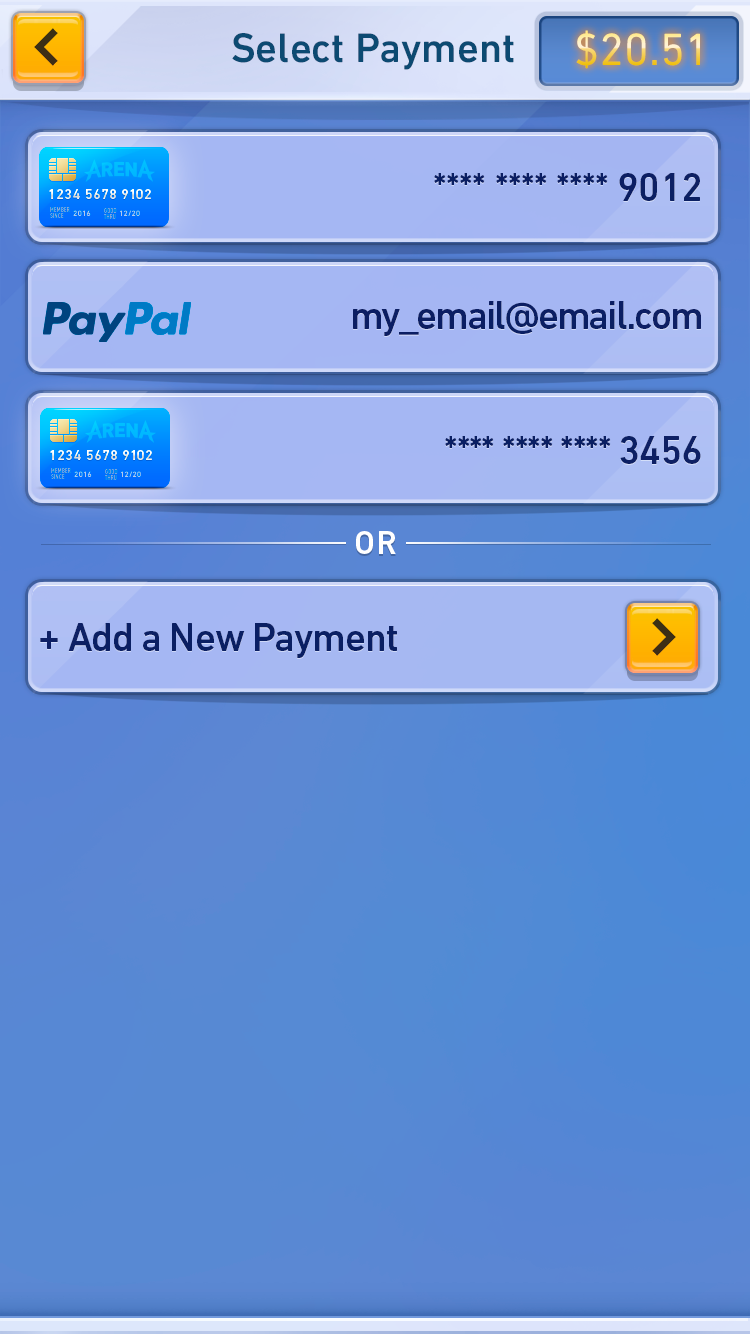
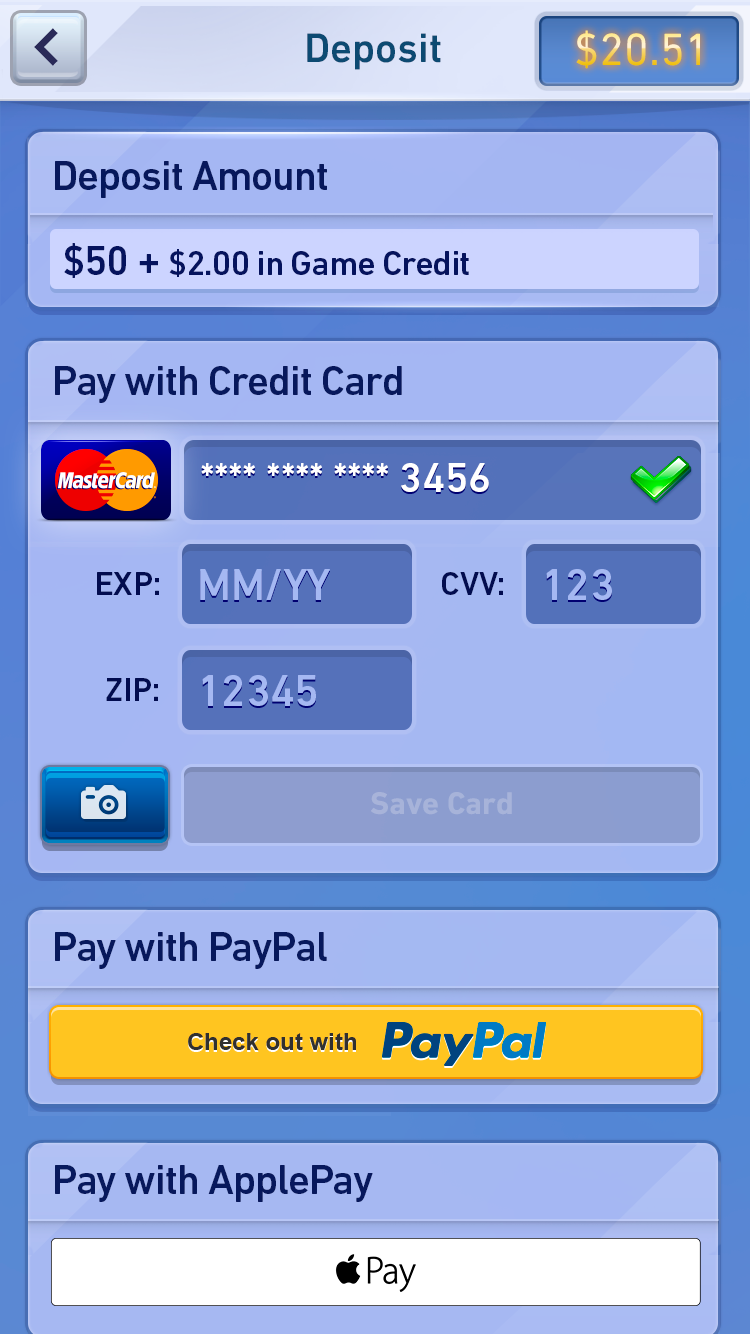
- Payment options were confusing — the layout and labeling of payment method choices caused hesitation. We redesigned the entire payment selection screen.
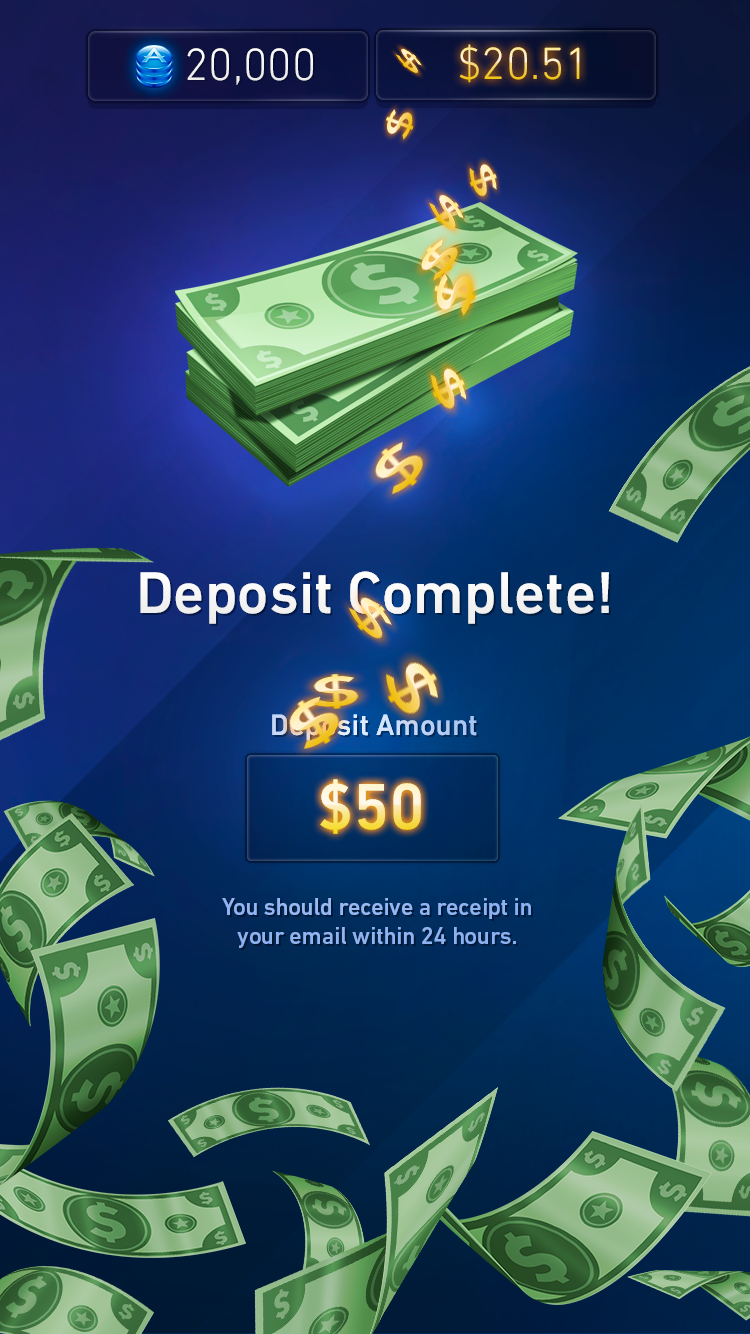
- Registration interrupted the reward moment — the registration flow was cutting into the "deposit complete" confirmation, which disrupted the positive feedback loop players expected after successfully funding their account. We redesigned the reward sequence.
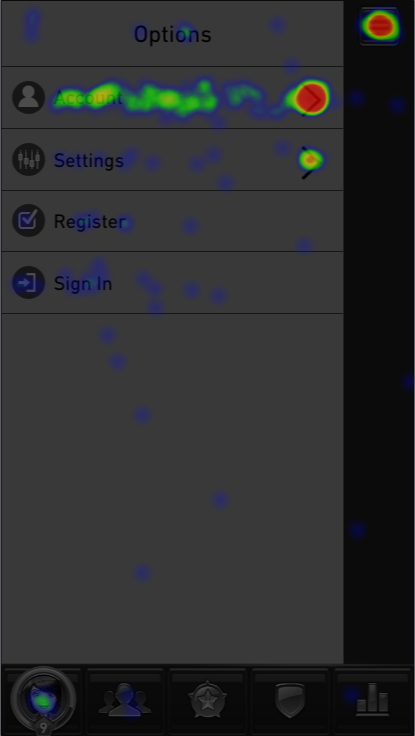
A better prototype — built to resolve what testing surfaced.
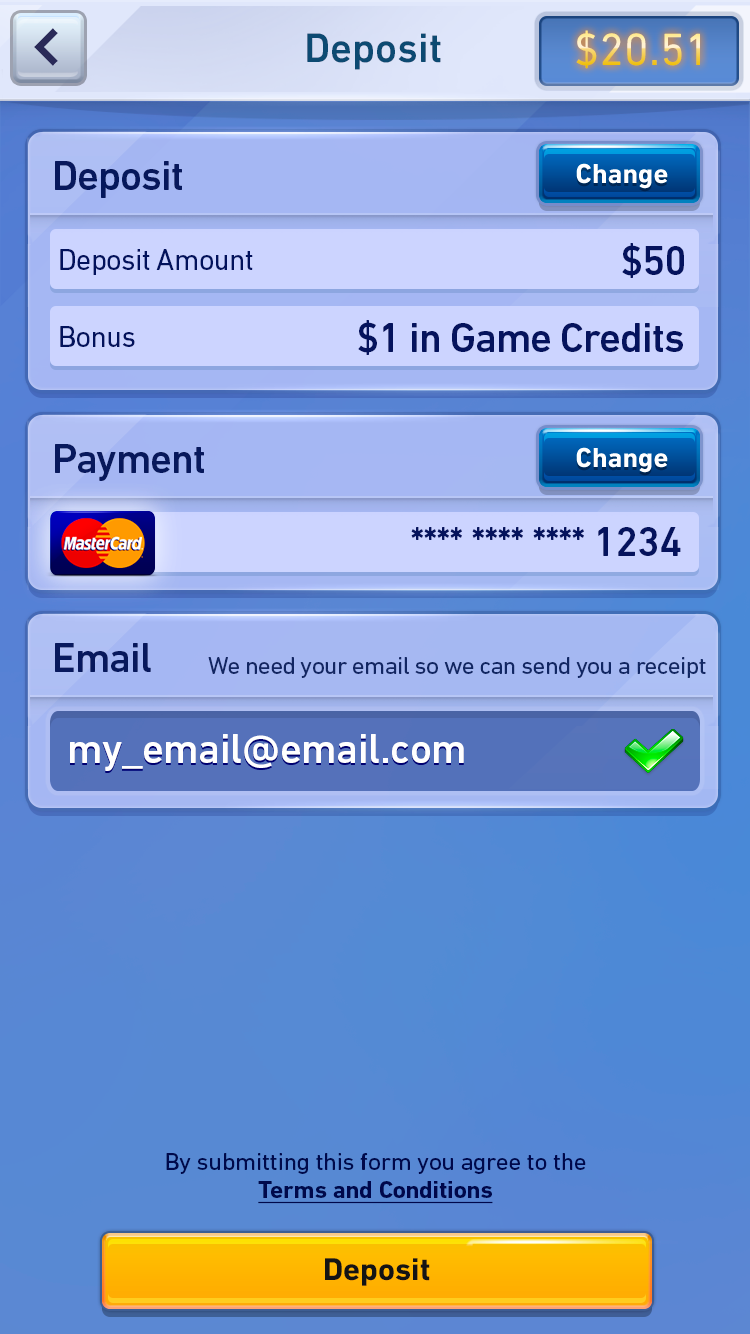
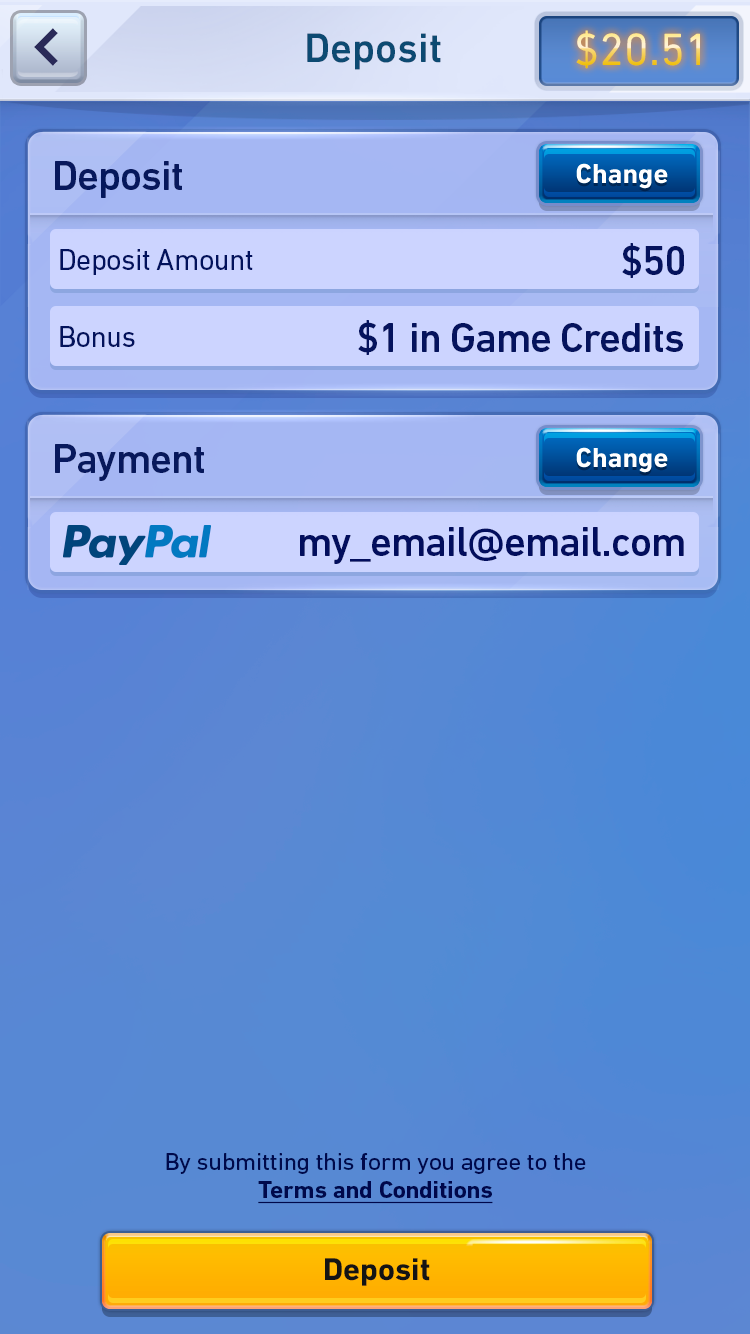
With the test findings prioritized, I updated the prototype to address each issue: location permissions moved later in the flow, guest account communication clarified, payment method selection redesigned for clarity, and the deposit completion reward sequence separated cleanly from any registration prompts. This revised prototype served as the primary spec for the overseas engineering team.
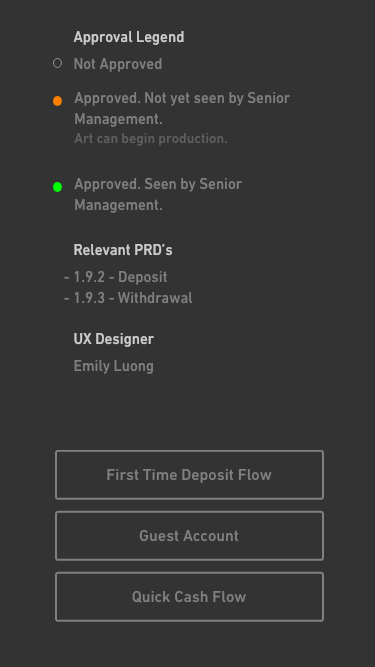
New and improved — the shipped deposit and withdrawal experience.
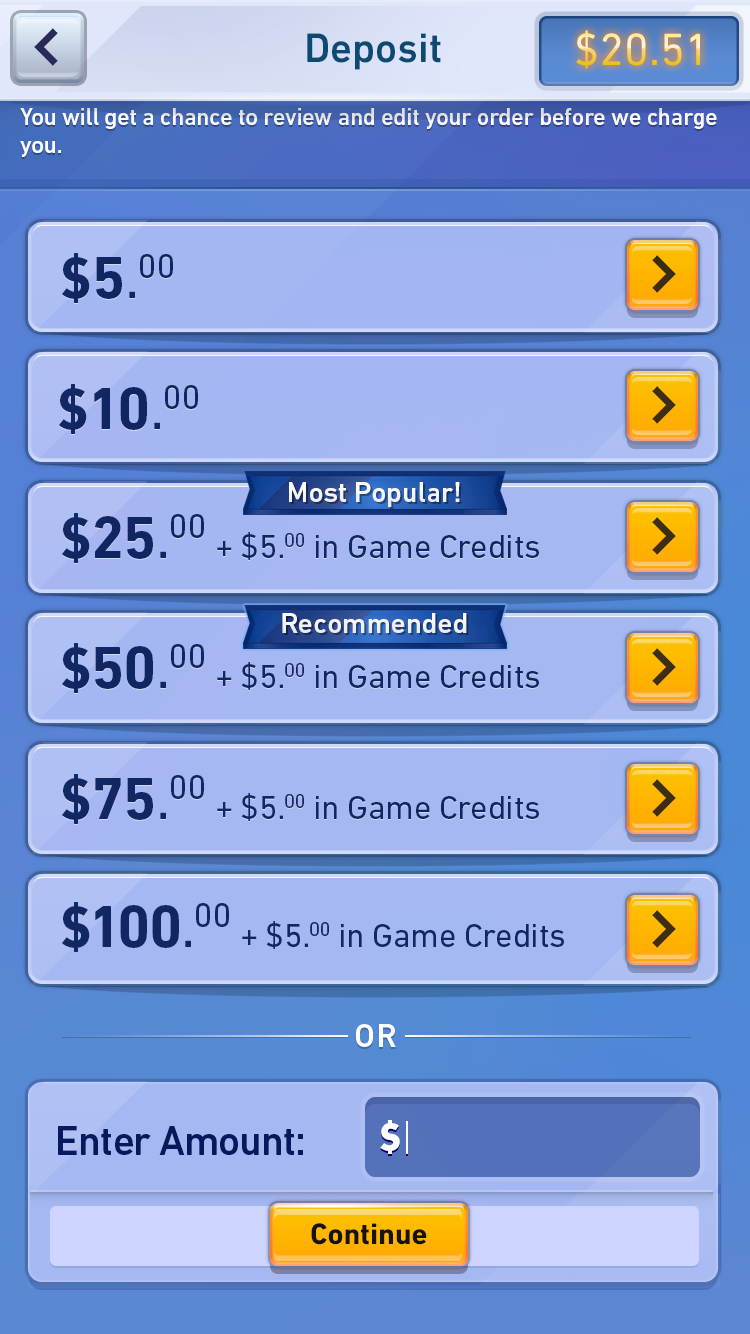
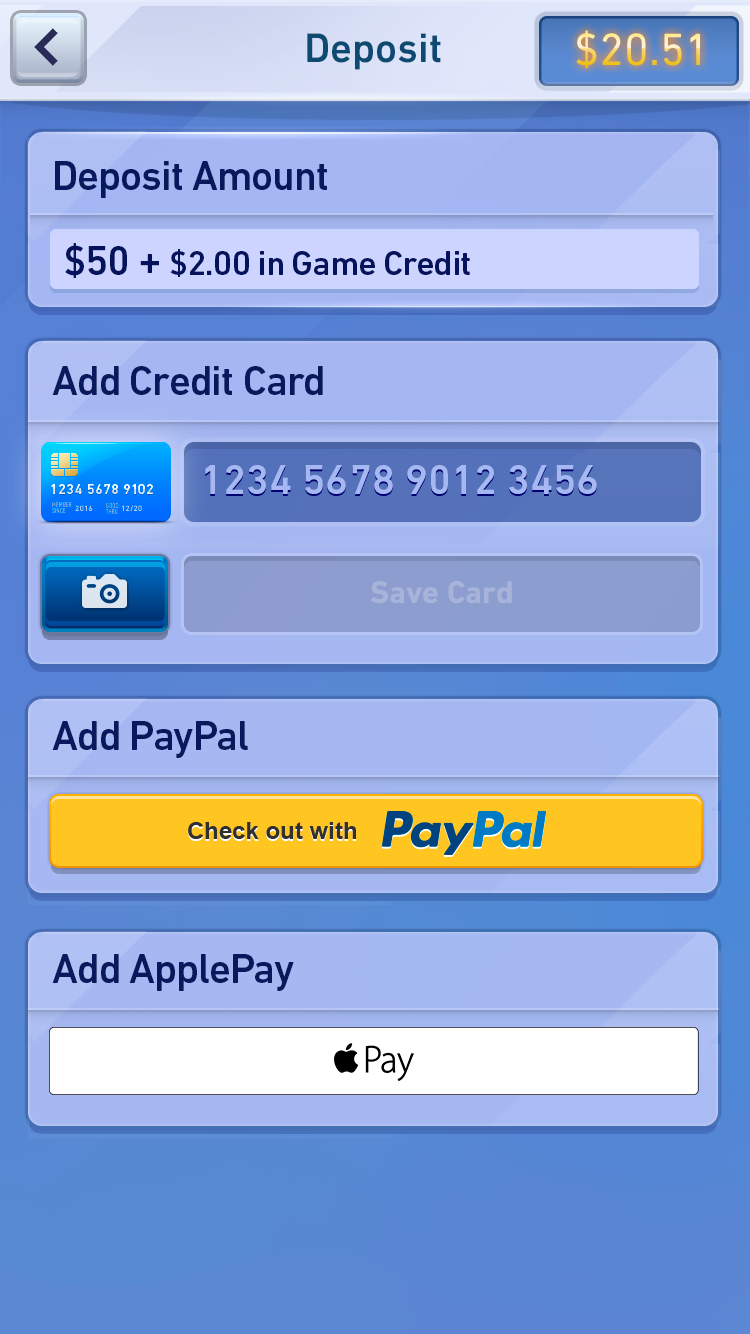
Profile, avatar, and achievement systems.
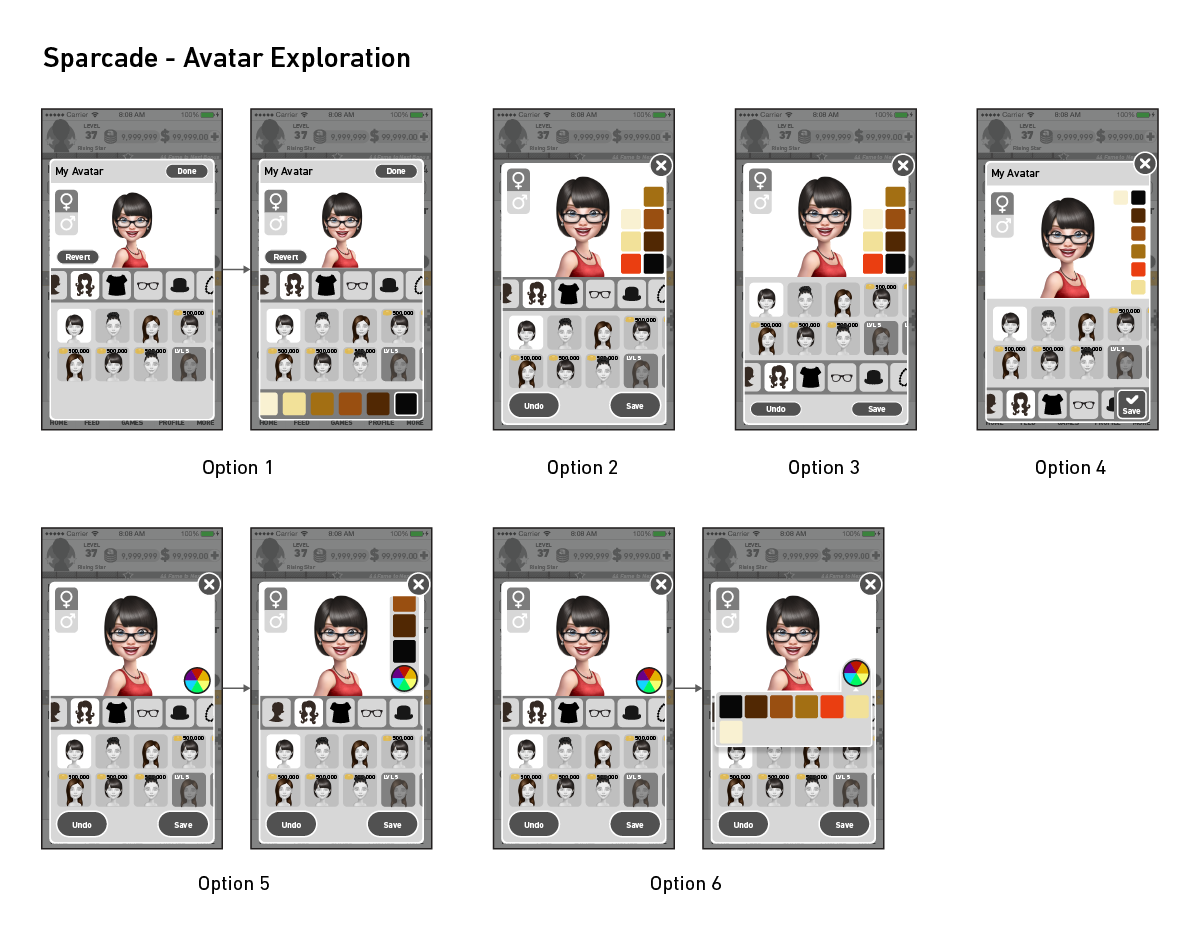
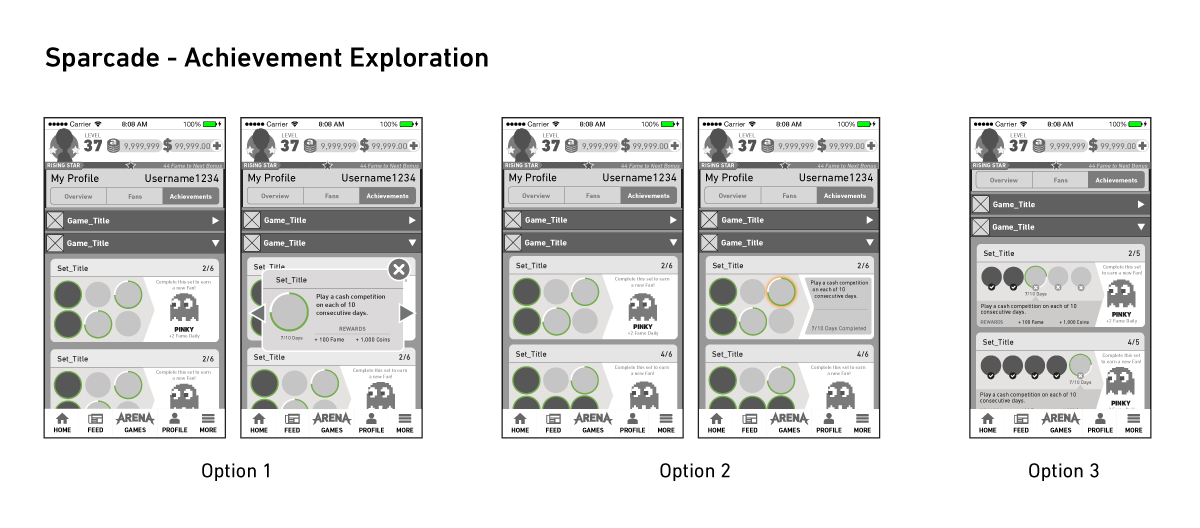
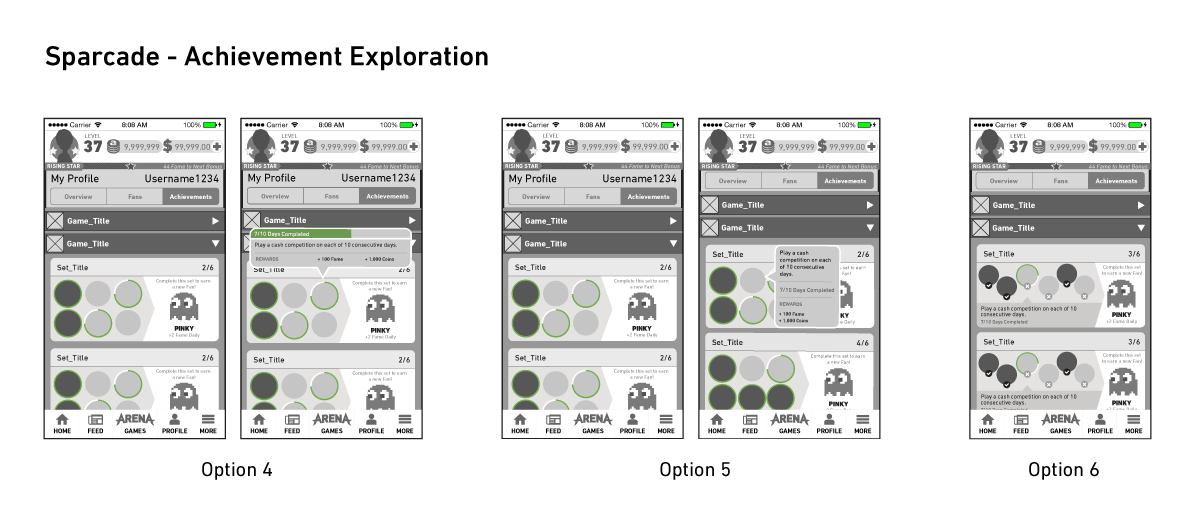
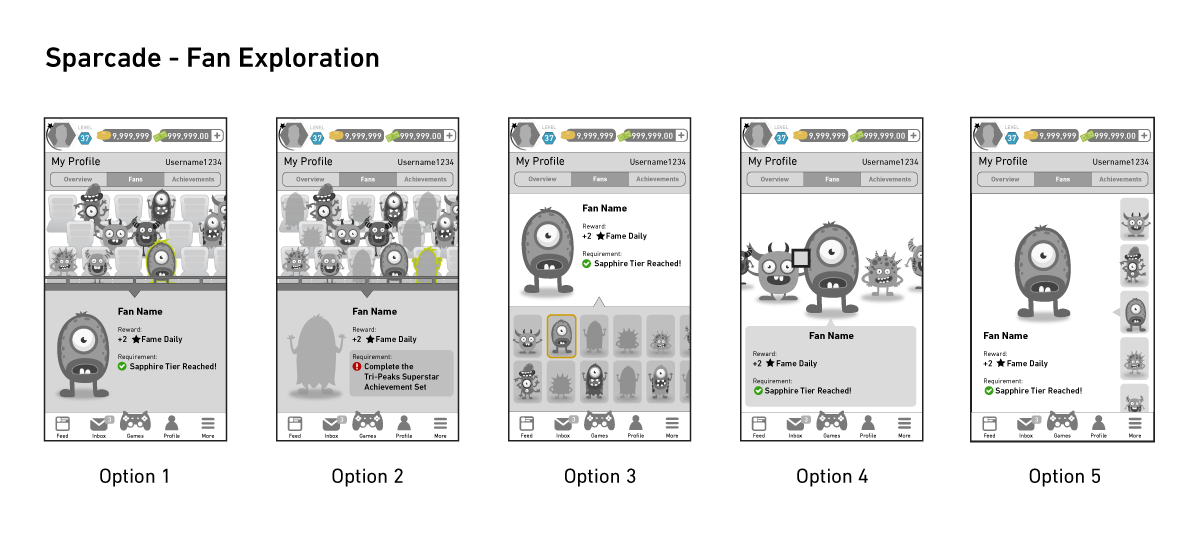
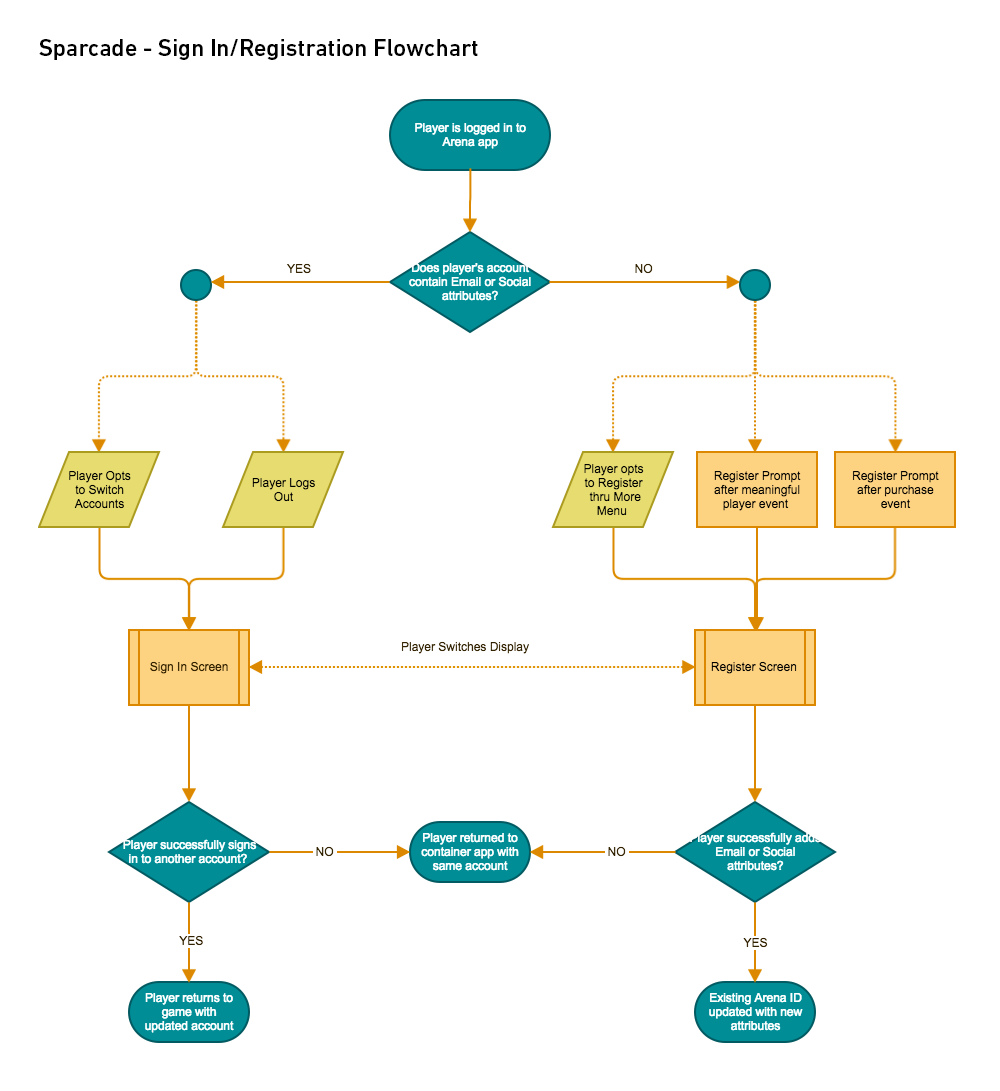
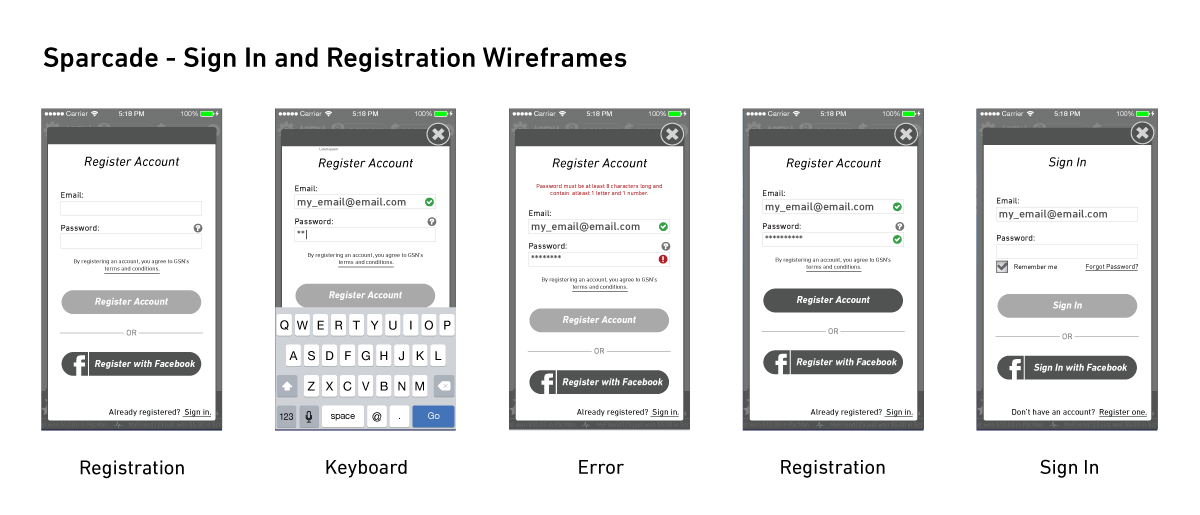
Beyond the deposit and withdrawal flows, I worked across other core areas of the Sparcade experience — including profile exploration, avatar customization, and the achievements system that rewarded player progression.